Blog

- ARTIFICIAL INTELLIGENCE

AI model powers skin cancer detection across diverse populations

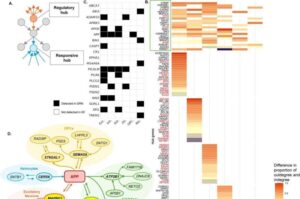
Researchers at the University of California San Diego School of Medicine have developed a new approach for identifying individuals with skin cancer that combines genetic ancestry, lifestyle and social determinants of health using a machine learning model. Their model, more accurate than existing approaches, also helped the researchers better characterize disparities in skin cancer risk and outcomes.

Read More »

Zero-cost, AI-driven digital detection identifies Alzheimer’s without additional clinician time

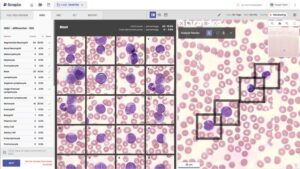
Few primary care practices are designed for the timely detection of Alzheimer’s disease and related dementias. The limited time that primary care clinicians are able to spend with patients, the need to focus on the health problems that brought the patient to the clinic, as well as the stigma of Alzheimer’s disease and dementia are major reasons for lack of recognition of the condition.

Read More »

AI can speed antibody design to thwart novel viruses

Artificial intelligence (AI) and “protein language” models can speed the design of monoclonal antibodies that prevent or reduce the severity of potentially life-threatening viral infections, according to a multi-institutional study led by researchers at Vanderbilt University Medical Center.

Read More »

AI tool uncovers genetic blueprint of the brain’s largest communication bridge

For the first time, a research team led by the Mark and Mary Stevens Neuroimaging and Informatics Institute (Stevens INI) at the Keck School of Medicine of USC has mapped the genetic architecture of a crucial part of the human brain known as the corpus callosum—the thick band of nerve fibers that connects the brain’s left and right hemispheres. The findings open new pathways for discoveries about mental illness, neurological disorders and other diseases related to defects in this part of the brain.

Read More »