AI flags heart failure risk five years early from routine ECG recordings
Researchers at the Technion Faculty of Biomedical Engineering have achieved a breakthrough in the early detection of heart failure.

Researchers at the Technion Faculty of Biomedical Engineering have achieved a breakthrough in the early detection of heart failure.

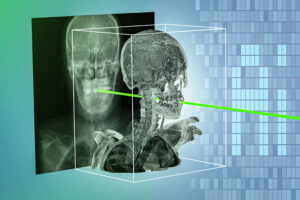
SAN DIEGO, July 7, 2026 /PRNewswire/ — CliniComp, a pioneer in high-performing, reliable, electronic health record (EHR) solutions, announced FDA 510(k) clearance of its PACS (Picture Archiving and Communication System) Viewer as a Medical Image Management and Processing System (MIMPS).

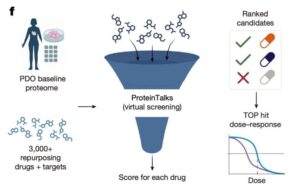
To develop new and better peptides, the short amino acid strings behind medicines like GLP-1 drugs, researchers have used AI to generate candidates and to predict their properties.

Biohub researchers have performed what they believe is the first genome-wide CRISPR study of primary human adult skin cells, then used an AI model to mine the results for overlooked drug targets for psoriasis.

Researchers from the German Cancer Research Center (DKFZ), the HI-STEM* Stem Cell Institute and Heidelberg University Hospital (UKHD) have developed “HemaGuide,” an AI assistant that supports physicians in making difficult treatment decisions.

In recent years, notable advances have been made in diagnosing and treating breast cancer. However, its recurrence continues to plague thousands, deepening the need to find ways to better predict the likelihood of its return.

A new artificial intelligence model called COMPASS, developed by Harvard Medical School researchers and their colleagues, improves prediction of which patients are most likely to respond to ICIs.

The CE marking by GMED recognises compliance with patient safety and clinical efficacy for Class IIb devices.

Quibim has announced the European and UK launch of QP-Breast, its CE and UKCA-marked AI tool – the first in Europe and the United Kingdom to detect breast cancer using magnetic resonance imaging – which automatically identifies suspected lesions on breast MRI.

An artificial intelligence model capable of reading and interpreting animal behavior like language has been developed by researchers at KAIST. The team created an AI model that learns behavioral data in a manner similar to natural language and was able to independently identify social behavioral deficits in an autism mouse model, opening a new avenue for interpretable neuroscience.