Procept Biorobotics wins expanded FDA IDE for Aquablation, completes study enrollment
Procept BioRobotics (Nasdaq:PRCT) announced today that it received FDA investigational device exemption (IDE) for a second Aquablation evaluation.

Procept BioRobotics (Nasdaq:PRCT) announced today that it received FDA investigational device exemption (IDE) for a second Aquablation evaluation.

An international research team led by the Medical University of Vienna has now identified a previously underestimated mechanism by which breast tumors evade the immune system.

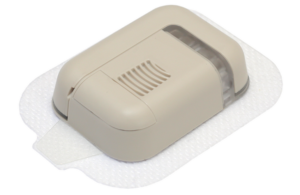
In people with epilepsy, a new study has found a smartwatch application accurately detected tonic-clonic seizures, seizures with major convulsions, with a low rate of false alarms. The study was published in Neurology Open Access.

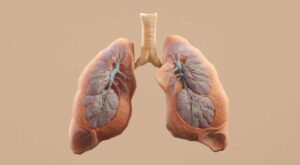
A single blood test could help doctors predict how lung cancer patients will respond to treatment before therapy begins, researchers have found. University of Queensland-led research focused on non-small cell lung cancer (NSCLC), the most common form of the disease, and showed how analyzing proteins in a blood sample could support earlier and better-informed treatment decisions.

The research, published in Molecular Psychiatry, points to a consistent biological pattern in many children with autism—elevated levels of specific metabolites in the gut.

A simple blood test could one day replace invasive biopsies for detecting acute cellular rejection (ACR) after lung transplantation, an American Journal of Transplantation study finds.

Kelley and his colleagues from the University of Rochester, Brown University, and the University of Copenhagen turned to artificial intelligence for help.

SINGAPORE, May 27, 2026 /PRNewswire/ — Gene Solutions, a global biotechnology company advancing accessible genomic solutions for cancer detection and precision oncology, today announced that the U.S. Food and Drug Administration has granted Breakthrough Device Designation to SPOT-MAS 10, its multi-omic blood test designed to detect cancer-associated signals.

A new map of the human eye made using donated eyeballs that could help explain and possibly prevent a handful of sight-related diseases.

DNA can be exchanged between two cells that connect by forming nanotubes, and find out why this is crucial for cancer research.