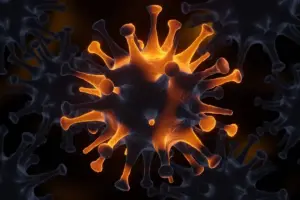
New Cicada COVID Variant (BA.3.2) Shows Ability to Evade Immune Defenses
As spring approaches, a new type of cicada is emerging — not an insect, but a new variant of COVID-19.

As spring approaches, a new type of cicada is emerging — not an insect, but a new variant of COVID-19.
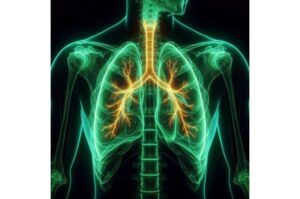
An acute pulmonary embolism occurs when a blood clot blocks one or more vessels in the lung. In patients at moderate or high risk, the blockage can impair the heart’s ability to pump blood through the lungs to such an extent that it becomes life-threatening. About 15% of those affected die as a result of acute pulmonary embolism. Blood-clot-dissolving medications, known as thrombolytics, can effectively dissolve vascular blockages. However, they increase the risk of severe bleeding, particularly in the brain. For this reason, they are generally used only in the most severe cases.
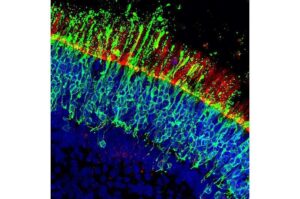
Scientists led by Botond Roska at the Institute of Molecular and Clinical Ophthalmology Basel (IOB) and collaborators have identified genetic pathways and compounds capable of protecting cone photoreceptors from the degeneration that underlies conditions like age-related macular degeneration.
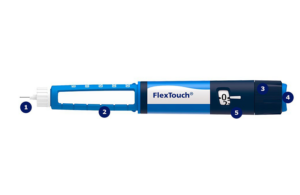
Novo Nordisk announced today that it received FDA approval for Awiqli, the first and only once-weekly, long-acting basal insulin.
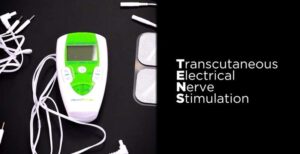
“It is one of the few treatments that specifically targets movement-evoked pain and fatigue, which are major barriers to participation in daily activities,” says Sluka, UI professor of physical therapy and rehabilitation science.
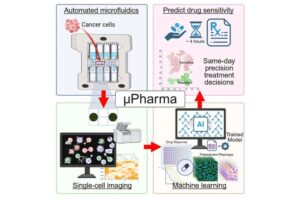
Scientists at the University of Utah (the U) have developed a new “lab-on-a-chip” device that uses artificial intelligence to rapidly predict cancer cell sensitivity to targeted therapies for children with T-cell acute lymphoblastic leukemia (T-ALL), an aggressive and difficult-to-treat cancer.
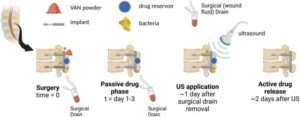
Dr. Forsberg, Dr. Noreen Hickok from orthopedic surgery and their team have been developing a tiny repository of antibiotics that could be put in the surgical site and activated with ultrasound two to three days later.
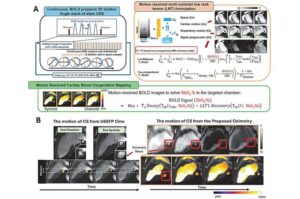
The findings, published in Science Translational Medicine, could one day improve management of heart failure, in which the heart fails to pump enough blood to meet the body’s need for blood and oxygen.
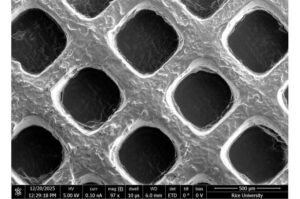
Rice University bioengineers report a new platform designed to streamline one of the major challenges for metastasis research.
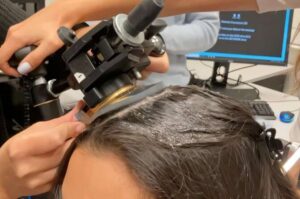
Meijer directed the sound waves at the amygdala, a small almond-shaped structure deep within the brain that determines how strongly emotional experiences are stored.