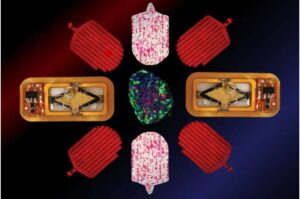
Implantable islet cells could control diabetes without insulin injections
“Our goal is to find a way to give patients the benefit of cell therapy without the need for immune suppression.”

“Our goal is to find a way to give patients the benefit of cell therapy without the need for immune suppression.”
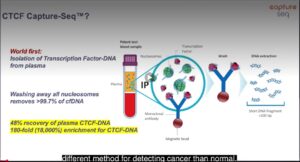
Blinded validation cohort achieves over 95% sensitivity for stage I & II cancers with 95% specificity
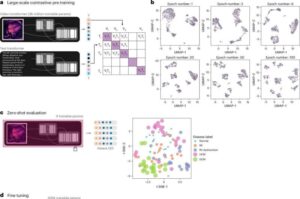
A Penn Medicine–led team has developed a first-of-its-kind artificial intelligence system that interprets cardiac MRI scans with performance approaching expert clinicians.
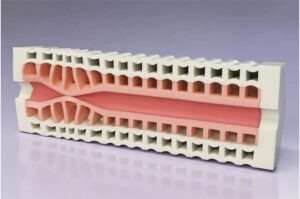
We have never had a model that accurately mimics both the key physical and functional properties in the esophagus or gastrointestinal tract.
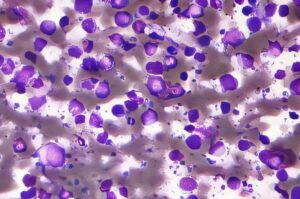
A new study in pet dogs treated with promising novel treatment regimens for the same cancer suggests that immune signatures found in blood samples could help identify poor responders early.
What we’ve built is essentially a light-powered interface that speaks in electrical and mechanical pulses, the same language as the heart, without any of the drawbacks of rigid electrodes
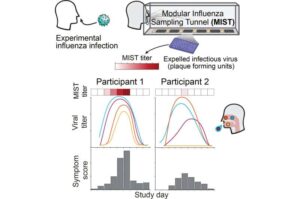
The findings help explain why some people appear far more likely than others to transmit respiratory viruses and offer new insight into how influenza spreads through the air.
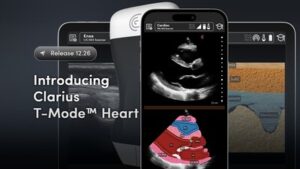
By simplifying complex cardiac anatomy through real-time AI labeling, T-Mode™ Heart removes the training barrier to ultrasound adoption for family physicians and medical students.
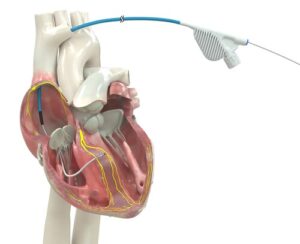
Built for high reliability, world’s only lumenless defibrillation lead approved for placement in the left bundle branch area
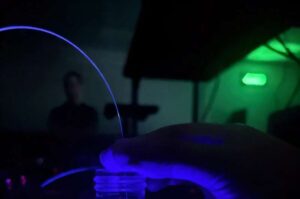
This breakthrough could lead to next-generation medical tools that track disease, guide treatment and monitor the body in real time