A new vaccine adjuvant could make it easier to eradicate polio
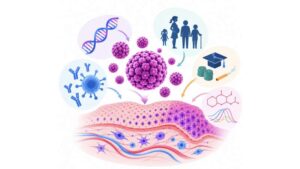
The adjuvant can help the injectable polio vaccine induce a strong immune response in the GI tract, which is considered critical to eradicating the virus.

The adjuvant can help the injectable polio vaccine induce a strong immune response in the GI tract, which is considered critical to eradicating the virus.

The result is NeuroSense, a monitoring system that connects to drainage lines to detect biomarkers of infection, including changes in glucose, lactate and pH, as well as flow rate, as brain fluid moves through them.

Researchers used an open-source AI model called Mirai, which was developed by the study’s senior author, UC Berkeley data scientist Adam Yala, Ph.D.

MIT engineers have developed a noninvasive pacemaker that stimulates the heart using ultrasound. The design could one day provide a surgery-free alternative to traditional cardiac implants.

Researchers from the Icahn School of Medicine at Mount Sinai have uncovered the first direct evidence that deep brain stimulation (DBS) can remodel white matter pathways in the brain and alter communication across large-scale neural networks, revealing a previously unrecognized mechanism that may explain how the therapy helps patients recover from severe depression.

Edwards Lifesciences (NYSE:EW) said today that it received FDA approval for Triformis Resilia, its surgical tricuspid valve replacement.

The daily pills nearly doubled survival time, with fewer severe side effects, in a study that randomly assigned the experimental drug or more chemotherapy to 500 patients whose metastatic, or spreading, cancer had quit responding to prior treatment.

Researchers at Lund University have developed a blood test capable of detecting signs of breast cancer recurrence long before recurrence becomes visible on imaging or causes symptoms.

Researchers have solved a long-standing mystery about why physical forces slow cancer growth—and the answer could reshape how the disease is treated. A multidisciplinary team from University of Galway, CÚRAM, the Taighde Éireann-Research Ireland Centre for Medical Devices, and KU Leuven in Belgium built an innovative AI accelerated computational model to test the theory.

Researchers at Washington University School of Medicine in St. Louis have developed an AI-based classifier that distinguishes between four common brain diseases that cause dementia: Alzheimer’s disease, Parkinson’s disease, frontotemporal dementia and dementia with Lewy bodies, as well as healthy brain aging.