FDA grants 510(k) clearance for Urolution Medical’s OpenFlo catheter
Urolution Medical is preparing comparative clinical trials to evaluate catheter performance and patient outcomes.

Urolution Medical is preparing comparative clinical trials to evaluate catheter performance and patient outcomes.
A research team led by professor Chan Kui-ming from the Department of Biomedical Sciences at CityUHK discovered that H2BE113K, a missense H2B mutation, promotes colony formation and lung metastasis in breast cancer.
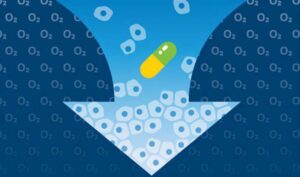
In a new study, Broad Institute researchers report that two small-molecule chemicals that reduce oxygen delivery to cells improved symptoms of neurodegeneration in a mouse model of Parkinson’s disease.
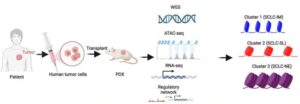
Northwestern Medicine scientists have identified a stem-like state in small-cell lung cancer that distinguishes a group of patients with exceptionally poor outcomes following chemoimmunotherapy, according to a study published in Cell Reports Medicine.
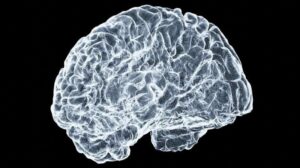
Diseases such as Alzheimer’s and frontotemporal dementia are considered neurodegenerative tauopathies, in which tau proteins in the brain misfold and lead to cognitive decline. Until now, it has been unclear how misfolded tau recruits other seemingly healthy tau and causes it to misfold and clump.
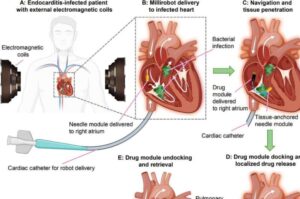
Johns Hopkins University engineers have created robots the size of a pencil tip intended to travel through the body to deliver medicine to infections inside a beating heart.
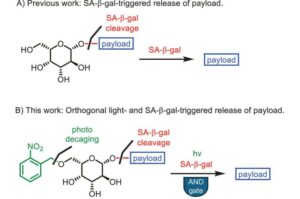
Stopping a cancer cell from dividing does not necessarily make it harmless. Chemotherapy can leave behind living, senescent cells. These ‘zombie’ cells can release inflammatory signals, helping tumors resist treatment. Drugs that eliminate these lingering cells could help, but they can also harm other cells.
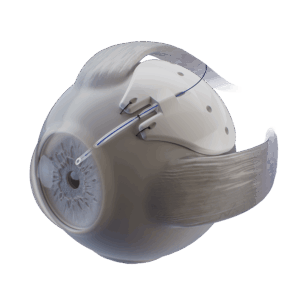
RANCHO CUCAMONGA, Calif., Oct. 6, 2026 /PRNewswire/ — New World Medical is pleased to announce the Ahmed® Glaucoma Valve (AGV), Ahmed ClearPath® (ACP), and KDB GLIDE® have received Medical Device Regulation (MDR) certification in the European Union.
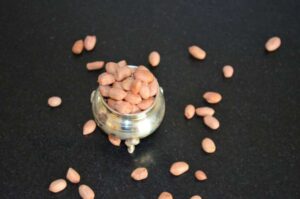
A study from the Institute of Nutrition and Translational Research in Metabolism (NUTRIM) at Maastricht University Medical Center in Maastricht, the Netherlands, has found that longer-term consumption of unsalted, skin-roasted peanuts can benefit insulin responsiveness in the brains of older adults. The findings are published in Food & Function.
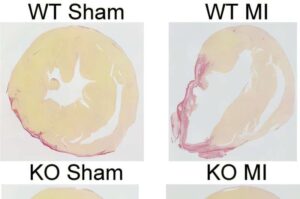
Heart failure often develops after a heart attack because excessive collagen-based scar tissue forms during repair. While collagen is necessary to reinforce scars, disease and chronic inflammation can cause overproduction, which stiffens the heart muscle and impairs its pumping ability.