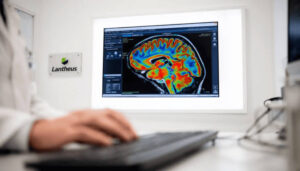
Lantheus Holdings’ Alzheimer’s radiodiagnostic secures FDA approval
Lantheus’s radiodiagnostic is designed to identify cognitively impaired patients who have tau neurofibrillary tangle (NFT) pathology.

Lantheus’s radiodiagnostic is designed to identify cognitively impaired patients who have tau neurofibrillary tangle (NFT) pathology.
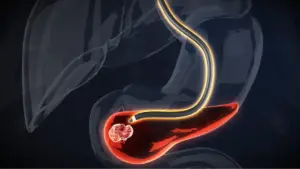
OncoSil’s device is designed for implantation into solid tumours via injection under endoscopic ultrasound guidance.
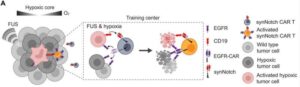
For more than a decade, CAR-T cell therapy has been one of the biggest breakthroughs in cancer medicine. By reprogramming a patient’s own immune cells to attack cancer, doctors have produced remarkable results against certain blood cancers, offering hope to patients who once had few treatment options.
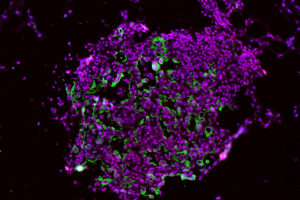
A new study by MIT researchers shows that inhibiting caspase-1 can reduce the risk of tumor growth.
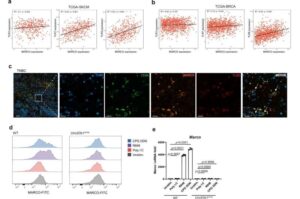
Immunotherapy that targets tumor-associated macrophages, a type of immune cell in the tumor microenvironment, works only if the cells have a functional system of molecules that enables them to respond to the treatment.

Osteoarthritis is a leading cause of chronic pain and disability worldwide. Current intra-articular standards of care, such as analgesics, corticosteroids and viscosupplements, provide only transient symptomatic relief and do not reliably modify disease progression
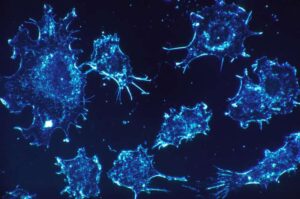
Researchers from the Cancer Science Institute of Singapore (CSI Singapore) at the National University of Singapore (NUS) have uncovered a previously unknown mechanism that helps cancer cells evade detection by the body’s immune system.
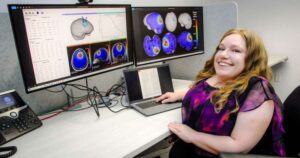
More than a decade ago, Dr. Matthew Hebb was treating patients with Parkinson’s disease using deep brain stimulation by implanting tiny electrodes into the brain and delivering electrical signals to control tremors. He wondered if the same basic technology could be used against brain cancer.

A compound produced by bacteria in many people’s digestive tracts increases the risk of developing Alzheimer’s disease and speeds cognitive decline in dementia patients, making it a potential target for a treatment that could reduce Alzheimer’s risk, according to a new study published in Nature Communications
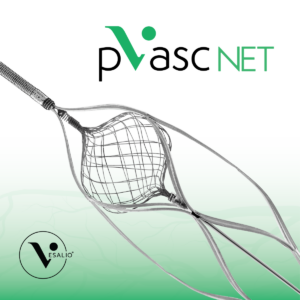
Vesalio’s pVasc NET mechanical thrombectomy device integrates clot-capture technology to retain clot fragments during retrieval.