AI-generated sensors open new paths for early cancer detection
Nanoparticles coated with molecular sensors could be used to develop at-home tests for many types of cancer.

Nanoparticles coated with molecular sensors could be used to develop at-home tests for many types of cancer.
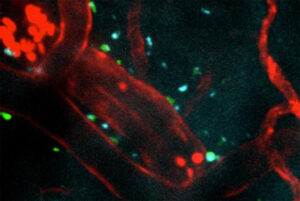
Nanomaterial crosses blood-brain barrier, targets harmful inflammation after most common type of stroke
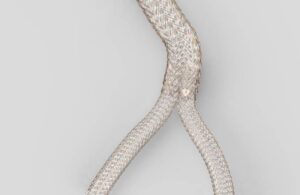
W.L. Gore & Associates announced today that the FDA approved its Viabahn Fortegra venous stent, formerly known as Viafort.
A comprehensive genetic investigation led by Dr. Feng Liu at Tianjin Medical University General Hospital has uncovered striking molecular connections between schizophrenia and bone health, identifying 195 shared genetic loci that may explain why psychiatric patients face elevated fracture risks.
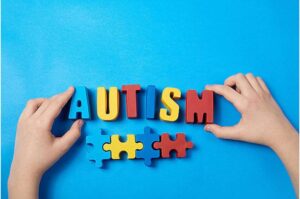
Social robots are efficacious and effective for children with autism, according to a study published online Dec. 24 in Science Robotics.
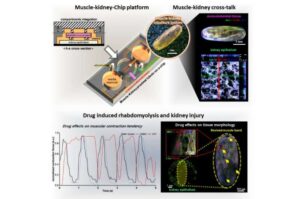
KAIST researchers have developed a new device that can precisely reproduce how muscle and kidney damage influence each other simultaneously within the human body.
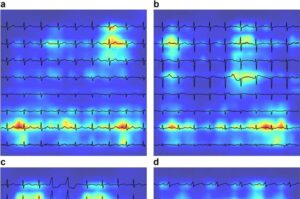
A study published in the journal eBioMedicine assesses the effectiveness of electrocardiograms (ECGs) analyzed via deep learning as a tool for early COPD detection.
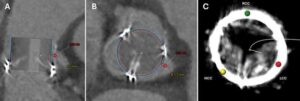
For high-risk patients, the method could offer a safer alternative to open-heart surgery.

A poor night’s sleep portends a bleary-eyed next day, but it could also hint at diseases that will strike years down the road. A new artificial intelligence model developed by Stanford Medicine researchers and their colleagues can use physiological recordings from one night’s sleep to predict a person’s risk of developing more than 100 health conditions.
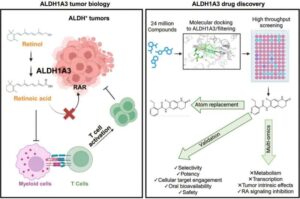
Scientists at the Princeton University Branch of the Ludwig Institute for Cancer Research have identified novel mechanisms by which a metabolic derivative of vitamin A—all-trans retinoic acid—compromises both the body’s normal anti-cancer immune response and, in a different context, the efficacy of a promising type of cancer vaccine.