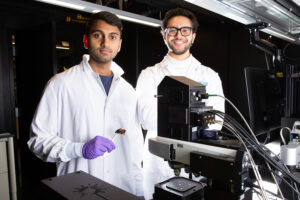
New sensor sniffs out pneumonia on a patient’s breath
The technology could enable fast, point-of-care diagnoses for pneumonia and other lung conditions.

The technology could enable fast, point-of-care diagnoses for pneumonia and other lung conditions.
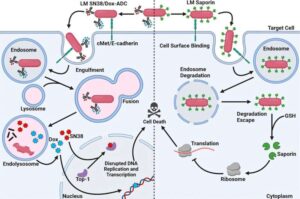
Baylor University researchers have developed a novel approach to fight colorectal cancer, using modified bacteria as a courier to deliver potent cancer-killing proteins into tumor cells.

From cobblers to smoothies, dark sweet cherries show up in plenty of recipes, and scientists say the crimson-colored fruit may contain compounds that could help fight an aggressive type of breast cancer.
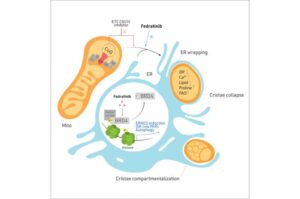
Cells behave like cities and organelles carry out infrastructural roles: mitochondria are powerhouses, the endoplasmic reticulum serves as a transport hub and lysosomes help with waste disposal.
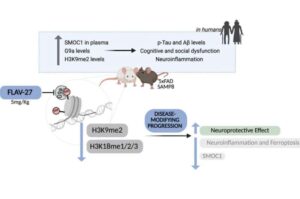
A team from the University of Barcelona has designed and validated in animal models an innovative compound with a pioneering mechanism of action for the treatment of Alzheimer’s disease.
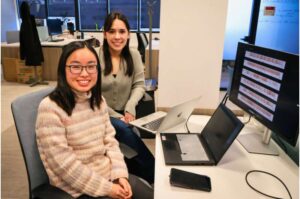
Characterized by weakened or damaged heart musculature, heart failure results in the gradual buildup of fluid in a patient’s lungs, legs, feet, and other parts of the body. The condition is chronic and incurable, often leading to arrhythmias or sudden cardiac arrest. For many centuries, bloodletting and leeches were the treatment of choice, famously practiced by barber surgeons in Europe, during a time when physicians rarely operated on patients.
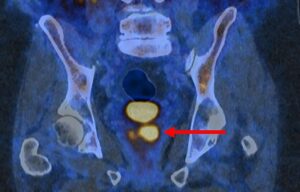
An imaging test could safely halve the number of people who need a biopsy for suspected prostate cancer following inconclusive or reassuring results from an MRI scan, new research has found.
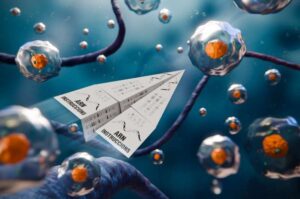
A study published in Nature Communications reveals a new way of measuring that editing process, known as splicing, directly. It is the first time scientists have been able to get a clear view of how tumors systematically rewire their genetic instructions to aid growth and survival, and it may point toward new ways of controlling the disease.

An AI-driven tool that tailors antidepressant treatment to individual patients was shown to improve outcomes for people with depression, compared to standard treatment, in a major international trial.
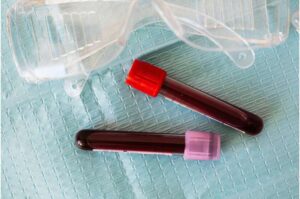
A research team from the Department of Pharmacology and Pharmacy at the LKS Faculty of Medicine of the University of Hong Kong (HKUMed) has developed an innovative AI-based cardiovascular risk prediction tool, called CardiOmicScore