Blog

- NOVEL DISCOVERIES

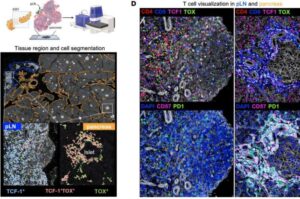
Immune cells that may help sustain type 1 diabetes attack identified

Type 1 diabetes isn’t an overnight attack against the body’s ability to make insulin. It can be a sustained campaign over years that relentlessly targets insulin-producing cells in the pancreas. Scientists have not fully understood why this autoimmune attack—when the body’s immune system mistakenly destroys its own healthy cells—persists so long rather than petering out.

Read More »

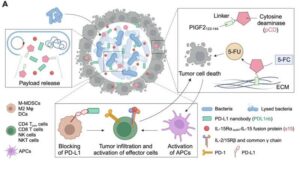
‘Plug-and-play’ CAR T technology adapts as cancer changes

Researchers from City of Hope have developed a new “plug-and-play” technology that adds engineered molecules to chimeric antigen receptor (CAR) T cells after treatment, allowing scientists to better control the cells and redirect them to attack different types of cancer. Published in Cancer Immunology Research, the preclinical study offers a more flexible way to help CAR T cells keep pace with mutating tumors.

Read More »

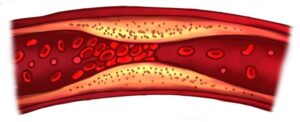
Blood vessel features in tumors may help predict patient survival in colorectal cancer

Tumors require a blood supply to grow and survive. The blood vessels that nourish tumors can have different characteristics across cancer types and could be connected to patient survival and outcomes. Researchers from Mass General Brigham Cancer Institute, the Broad Institute of MIT and Harvard, and Harvard T.H. Chan School of Public Health conducted a prospective cohort study using advanced imaging techniques to microscopically characterize colorectal tumor vessels.

Read More »

Two protective genetic pathways may converge to reduce Alzheimer’s disease risk

Alzheimer’s disease is the most common form of dementia worldwide. Although the APOE ε4 allele is the strongest genetic risk factor for late-onset Alzheimer’s disease, not all carriers develop dementia, indicating that other genetic factors can modify disease risk. In recent years, PLCG2 has emerged as one of the most important protective genes associated with Alzheimer’s disease.

Read More »