StimLabs Announces FDA Clearance of Theracor
Theracor is a sheet device derived from human umbilical cord extracellular matrix (ECM) intended to cover, protect, and provide a moist wound environment

Theracor is a sheet device derived from human umbilical cord extracellular matrix (ECM) intended to cover, protect, and provide a moist wound environment

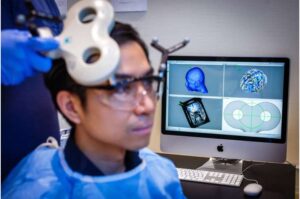
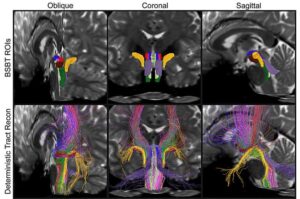
A major new study has found that transcranial magnetic stimulation (TMS), which applies magnetic energy to the brain, can be a cost-effective treatment option for the NHS in treating moderate and severe forms of depression that have not responded to other treatments.

Researchers at the Francis Crick Institute and AlveoliX have developed the first human lung-on-chip model using stem cells taken from only one person.

OvertureTi Knee Resurfacing System implants are designed specifically as an alternative when it is still too early for arthroplasty

Scientists at Johns Hopkins Medicine say results of a new study are advancing efforts to exploit a new target for Alzheimer’s disease: a protein that manufactures an important gas in the brain.

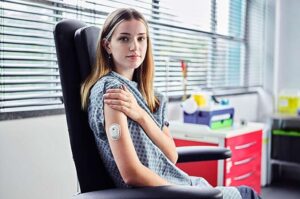
As the year comes to a close, it’s time to look back at the numerous innovations across the diabetes technology industry in 2025.

CardioKG provides a detailed view of the heart’s structure and function which dramatically improves the accuracy of predicting which genes are linked to disease and whether existing drugs could treat them.

A research team at Oregon Health & Science University has discovered a promising new drug combination that may help people with acute myeloid leukemia overcome resistance to one of the most common frontline therapies.

Researchers at Lund University in Sweden have identified a combination of statins and phenothiazines that is particularly promising in the treatment of the aggressive form of neuroblastoma.

Texas A&M University researchers have found that a brief virtual reality (VR) simulation of a near-death experience can sharply reduce people’s anxiety about death. In a small pilot study of about 60 young adults, participants reported a 75% decrease in their fear of death after a single 12-minute session.