
New AI technique could make minimally invasive surgeries safer and more precise
This patient-specific method, called xvr, helps doctors use X-rays for surgical navigation in fields such as orthopedics and neurosurgery.

This patient-specific method, called xvr, helps doctors use X-rays for surgical navigation in fields such as orthopedics and neurosurgery.
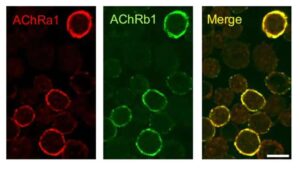
Researchers at DZNE and Charité—Universitätsmedizin Berlin are working on a targeted therapy for neurological autoimmune diseases. So far, they have successfully tested their approach in mouse studies involving two such conditions. Their concept is based on deliberately modified immune cells, so-called CAAR T cells, designed to eliminate only the immune cells responsible for causing disease.

The biologic drug interferon-alpha can benefit patients with blood cancers called myeloproliferative neoplasms by forcing mutant blood stem cells to become shorter-lived white blood cells, according to a study by Weill Cornell Medicine investigators. Because the broad activity of interferon-alpha can induce significant side effects, developing more focused strategies based on these mechanistic findings could meet an important need in cancer therapy.

Cytological tests are a common method of screening for cancer cells in stained cell samples. Using a microscope, pathologists examine cells collected from bodily fluids, looking for telltale signs of malignancy, like enlarged nuclei or abnormal cell shapes. Owing to their minimally invasive nature, these tests are widely used for early cancer screening and diagnosis.

Type 2 diabetes increases the risk of chronic kidney disease, making prevention of kidney failure a key part of treatment. Newer diabetes medications, including GLP-1s and SGLT2 inhibitors, can reduce the risk of kidney disease, but previous studies have included large proportions of patients who already had signs of kidney damage, making it unclear whether the findings applied to patients without kidney damage.

Stanford Medicine scientists have chalked up a major advance in growing human brain cells outside the human brain—and outside laboratory glassware.
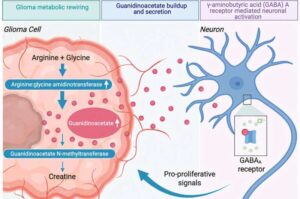
Virtually all high-grade, aggressive gliomas in adults accumulate massive amounts of a metabolite called guanidinoacetate (GAA) that overstimulates nearby neurons and promotes tumor growth, according to new research from scientists at Children’s Medical Center Research Institute at UT Southwestern (CRI) published in Cell.

A little-known chronic lung disease is silently emerging as a growing public health threat in the U.S. and around the world. Nontuberculous mycobacteria—a group of 200 known environmental bacteria found in soil and water, including household plumbing—can cause chronic, tuberculosis-like lung infections. NTM lung disease afflicts as many as 300,000 Americans a year.

Somewhere in the world, a woman over 50 will have fractured a bone by the time you finish reading this sentence due to osteoporosis, a silent bone disease that can weaken the structural integrity of the skeletal system and a person’s quality of life. The disease weakens bones and makes them more likely to break because of reduced bone mineral density and bone mass, and it affects an estimated 75 million people across Europe, the USA, and Japan.
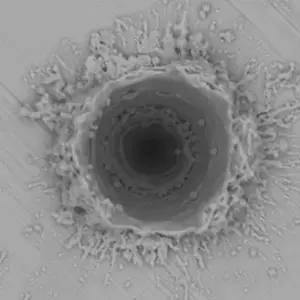
Safety-driven design eliminates laser-drilling debris and holds hole diameter at 2.0 microns