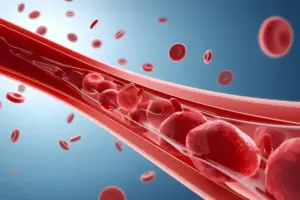
Blood-Vessel-on-a-Chip Models Can Now Grow and Redirect New Capillaries
Learn how mechanical stretching helped lab-grown vessels sprout and redirect new capillaries, a step toward keeping engineered tissues alive.

Learn how mechanical stretching helped lab-grown vessels sprout and redirect new capillaries, a step toward keeping engineered tissues alive.
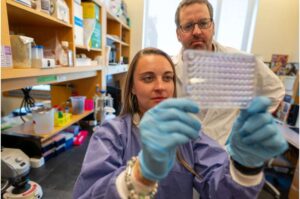
Mesothelioma is a rare but aggressive cancer, usually caused by exposure to asbestos. Inhaled asbestos fibers become lodged in the lungs, causing inflammation that can lead to tumor formation decades later. Worldwide, about 30,000 people are diagnosed with mesothelioma each year.
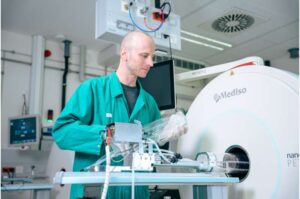
Prostate cancer is one of the most common cancers affecting men worldwide. However, planning personalized radiotherapy in the advanced stages of the disease still requires more precise tools. Researchers at the Helmholtz-Zentrum Dresden-Rossendorf (HZDR) have now tested a novel approach.
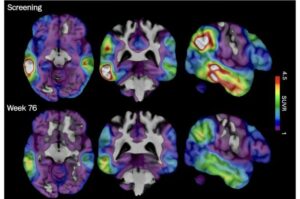
An experimental drug might help slow early Alzheimer’s disease in a markedly different way than today’s treatments—by lowering levels of a brain protein called tau, researchers reported Tuesday.
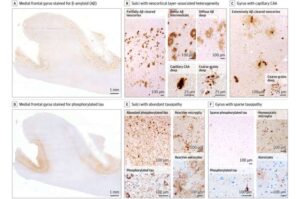
An analysis of the brain of a deceased Alzheimer’s disease (AD) clinical trial participant found that regions where an anti-amyloid therapy successfully cleared amyloid plaques showed little to no evidence of tau tangles, a hallmark of AD closely linked to neurodegeneration and cognitive decline.
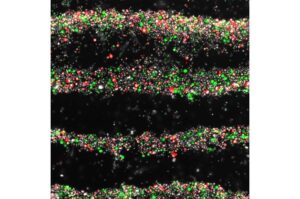
With the aid of physical forces—in this case, sound—it is possible to actively steer the formation of engineered tissue. For example, sound waves can be used to create functional vascular networks with blood vessel-like structures in vitro. Scientists at the Center for Molecular Biology of Heidelberg University have demonstrated this through their methodology for acoustic manipulation. The team led by Junior Professor Dr. Daniela Duarte Campos also defines quality requirements for generating complex vascularized 3D tissue containing multiple cell types that is relevant, for example, to biomedical studies.
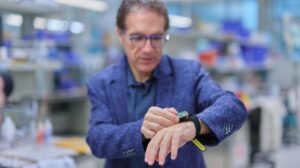
Wearable devices have transformed how people track exercise, sleep, heart rate and other vital signs. Researchers at King Abdullah University of Science and Technology (KAUST) are now exploring whether similar technologies could one day help monitor medicines inside the body.
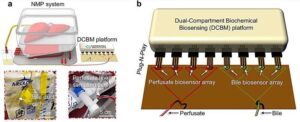
More than 100,000 people in the United States are waiting for a lifesaving organ transplant. For patients who need a liver transplant, determining whether a donor liver is healthy enough to transplant is a critical part of the process.

A breakthrough combination of new silicone materials and advanced 3D printing technology developed by University of Waterloo researchers could transform how contact lenses are manufactured.
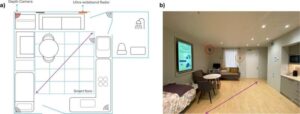
Disease progression in people with Parkinson’s disease can be accurately monitored using sensors, removing some of the limitations of wearable technologies, a new study reports.