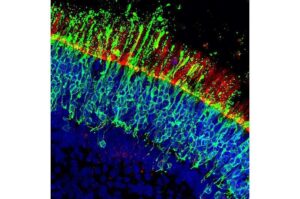
Light-activated protein triggers cancer cell death by raising alkalinity
One of the hallmarks of cancer cells is their ability to evade apoptosis, or programmed cell death, through changes in protein expression.

One of the hallmarks of cancer cells is their ability to evade apoptosis, or programmed cell death, through changes in protein expression.

Bacteria may be the next frontier in cancer treatment, according to a team led by researchers at Penn State that devised a new approach of creating bacteria-derived mixtures—or cocktails—to help fight bladder cancer.

A team of scientists have developed a simple method for automated manufacturing of lung organoids which could revolutionize the development of treatments for lung disease. These organoids, miniature structures containing the cells that real lungs do, could be used to test early-stage experimental drugs more effectively, without needing to use animal material.

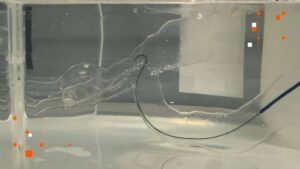
A new international study led by the Nanobiosystems group at CIC nanoGUNE, is developing miniature, non-invasive, precise robotic catheters for use in reproductive medicine and gynecological health.

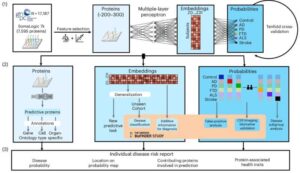
A team led by researchers from Penn State College of Medicine has developed a new method that substantially improves the ability to map the genetic variants that drive disease, particularly neurodegenerative diseases.

Electrotherapy using injectable nanoparticles delivered directly into the tumor could pave the way for new treatment options for glioblastoma, according to a new study from Lund University in Sweden.

Major technology breakthrough combines advanced AI for clinical insights and accelerated workflow in new premium 3.0T MRI platform

NervGen will meet with the FDA early next year to align on a regulatory path forward for NVG-291 in chronic spinal cord injury.

Engineers and obstetricians at Monash University have invented a wearable Band-Aid-like patch to track a baby’s movements through the mother’s abdomen, offering a new way to support safer pregnancies from home.

As many as one in six teenagers have self-harmed at some point in their lives. As well as being an indicator of emotional pain, self-harm is also the best-known predictor of death by suicide—yet researchers know little about the emotional and biological factors that lead to it.