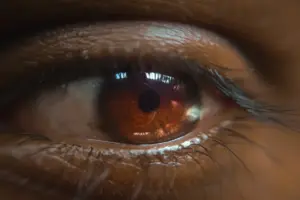
A New Genetic Map of the Human Eye Could One Day Reveal Vision Loss Years Before Symptoms Start
A new map of the human eye made using donated eyeballs that could help explain and possibly prevent a handful of sight-related diseases.

A new map of the human eye made using donated eyeballs that could help explain and possibly prevent a handful of sight-related diseases.
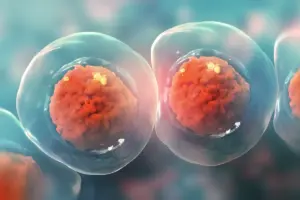
DNA can be exchanged between two cells that connect by forming nanotubes, and find out why this is crucial for cancer research.
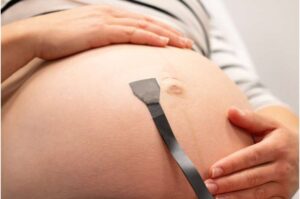
Engineers at the University of California San Diego have created a soft, wearable ultrasound patch that can continuously monitor a fetus for hours at a time—and it can do so consistently even as the fetus and umbilical cord constantly move during pregnancy.
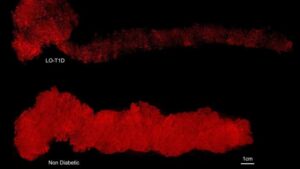
Researchers at Umeå University have conducted a unique three-dimensional mapping of an entire human pancreas. The study shows that insulin-producing cells can remain long after the onset of type 1 diabetes—a finding that suggests the disease progression is more complex than previously assumed.
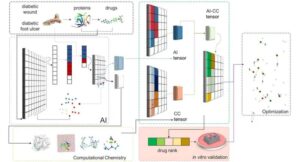
Researchers from the National University of Singapore (NUS) have developed an AI-guided workflow that combines artificial intelligence (AI) with molecular simulations to identify potential drug candidates for diabetic wound healing, identifying folic acid, a common vitamin, as a top candidate.
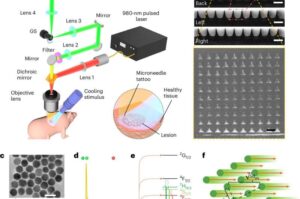
Detecting melanoma before it becomes visible is a major challenge in dermatology. Now, with researchers from Université de Montréal, scientists at Université du Québec’s Institut national de la recherche scientifique (INRS) have developed a promising solution.
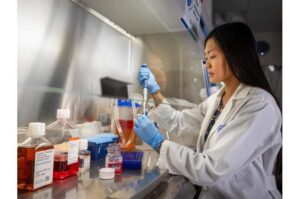
In a study published in Nature Communications, the researchers found that the EXO1 gene is overexpressed in 20% to 30% of breast and ovarian cancers as well as in melanoma, testicular, cervical, and hepatobiliary cancers, which develop in the liver, gall bladder, and bile duct
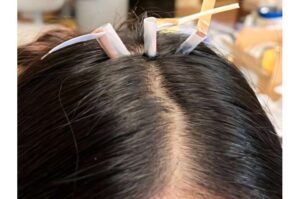
Researchers at Penn State have developed a reusable material designed to solve both problems at once. The material is a thermoreversible semiconducting ionic biogel, meaning it becomes liquid when gently heated so it can move through hair and reach the scalp, then returns to a stable gel as it cools, keeping its conducting and semiconducting character.
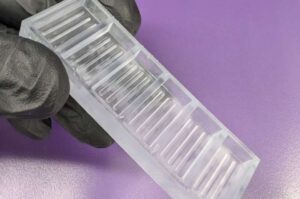
Thanks to special 3D-printed scaffolding trays designed by experts at Cincinnati Children’s, researchers can now produce larger versions of functional human gut organoids twice as fast as previous methods—and these organoids grow their own nerve cells.

A team of researchers from Carnegie Mellon University, in collaboration with Cleveland Clinic’s Cardiovascular Innovation Research Center, has developed an artificial intelligence (AI) system capable of interpreting some of the most complex heart scans in medicine, cardiac magnetic resonance imaging (MRI), without the need for manually labeled training data.