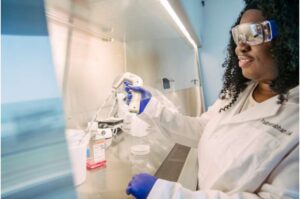
Enzyme USP15 present a promising new target for ovarian cancer treatment
Ovarian cancer is often diagnosed after it has already spread to other parts of the body, at which point the five-year survival rate is under 30%.

Ovarian cancer is often diagnosed after it has already spread to other parts of the body, at which point the five-year survival rate is under 30%.
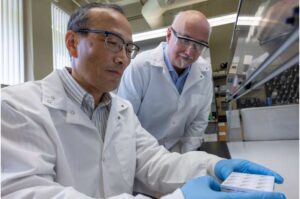
With a lot of ingenuity, some creative engineering and a few off-the-shelf items, a University of Florida team led by a virologist and an engineer has created an inexpensive, quick and accurate handheld device that can detect seven mosquito-borne illnesses
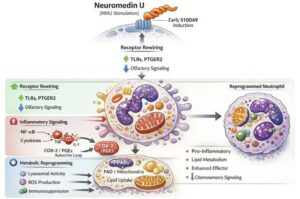
A new study from The Wistar Institute has found a link between the nervous system and the rapid development of neuroendocrine prostate cancer (NEPC), an aggressive form of the disease.
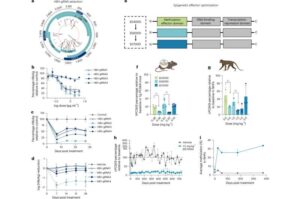
Chronic hepatitis B is a long-lasting condition caused by the hepatitis B virus (HBV) that affects about 240 million people worldwide. Current antiviral treatments are designed to keep the virus under control, but they are not a cure, and medications are usually taken indefinitely.
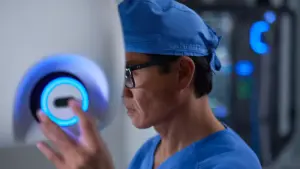
After de-emphasizing heart surgery for decades due to limits with its earlier platforms, the surgical robot maker is eyeing the large market in cardiovascular disease treatment.

The proposed prescription-only product would be separate from Glytec’s existing Glucommander technology.
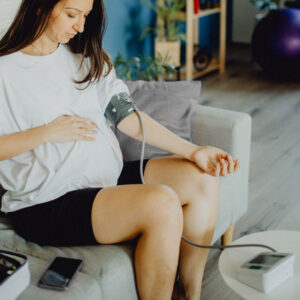
Marani’s M•wrap for foetal and and maternal heart signal monitoring is intended to give patients an at-home monitoring option versus travelling to a clinic.
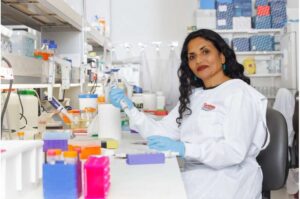
Human breath could help identify cancerous lung nodules and reduce the need for invasive testing. New Griffith University research analyzed exhaled breath to help doctors distinguish between cancerous and noncancerous lung nodules, supporting earlier lung cancer diagnosis. Approximately 2.5 million new cases of lung cancer are diagnosed each year.
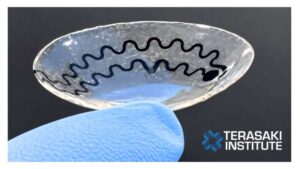
A research team led by Dr. Yangzhi Zhu, principal investigator and assistant professor at the Terasaki Institute for Biomedical Innovation, has developed a soft, reusable smart contact lens as part of its broader Ocular Library for the Analysis of Tear Biomarkers (OCULAB), a tear bioelectronics platform for noninvasive, longitudinal biochemical monitoring through the ocular surface and tear film.
One of the main reasons ovarian cancer is among the deadliest forms of cancer is timing: When doctors catch it early, the five-year survival rate can be more than 90%. But when doctors catch it late, in stages 3 or 4, five-year survival is less than half that.