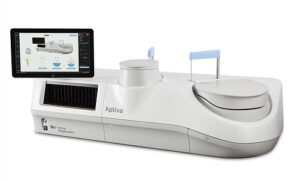
Werfen Announces US FDA 510(k) Clearance and CE Mark for Aptiva® Antiphospholipid Syndrome IgA Reagent
FDA Clearance and CE Mark Complete Aptiva’s Antiphospholipid Syndrome Portfolio, Expanding Global Access to Comprehensive APS Testing

FDA Clearance and CE Mark Complete Aptiva’s Antiphospholipid Syndrome Portfolio, Expanding Global Access to Comprehensive APS Testing
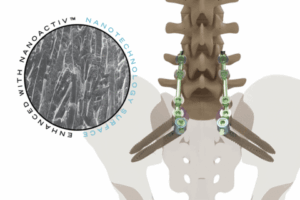
Xenix Medical has announced FDA 510(k) clearance for its Riva Anchor Spinopelvic Fixation System, designed to facilitate fusion of the sacroiliac joint at the base of a posterior lumbar or thoracolumbar fusion construct.
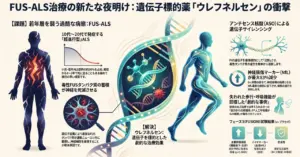
Ulefnersen, an RNA-targeted therapy being developed by Ionis Pharmaceuticals and Otsuka Pharmaceutical, improved measurements of functional impairment and survival in patients with a rare, genetic ALS subtype in a Phase 3 trial.
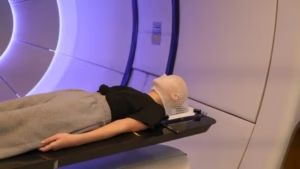
The device is intended to help clinicians control radiation dose delivery and improve positioning during radiotherapy.

NET Recovery’s device applies neurostimulation to quell cravings in individuals with stimulant use disorder.
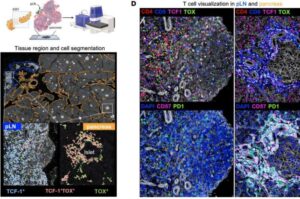
Type 1 diabetes isn’t an overnight attack against the body’s ability to make insulin. It can be a sustained campaign over years that relentlessly targets insulin-producing cells in the pancreas. Scientists have not fully understood why this autoimmune attack—when the body’s immune system mistakenly destroys its own healthy cells—persists so long rather than petering out.
Researchers from City of Hope have developed a new “plug-and-play” technology that adds engineered molecules to chimeric antigen receptor (CAR) T cells after treatment, allowing scientists to better control the cells and redirect them to attack different types of cancer. Published in Cancer Immunology Research, the preclinical study offers a more flexible way to help CAR T cells keep pace with mutating tumors.
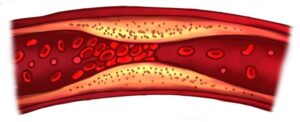
A UCLA research team has engineered a new type of immune cell that attacks atherosclerotic plaques—the fatty buildup inside artery walls that drives most heart attacks and strokes. These engineered cells work by recognizing three harmful cell types within plaques. The paper is published in the journal Circulation Research.
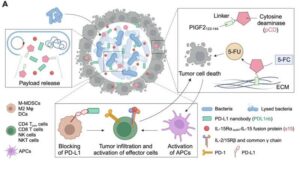
E. coli in uncooked meat can cause diarrhea and food poisoning. Scientists, however, have found a way to turn the bacterium into a delivery agent that takes drugs straight to a tumor and transforms it into a tiny cancer drug dispensary.
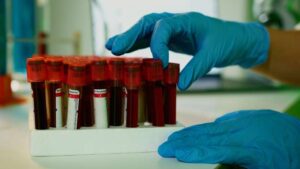
A single blood draw that screens for more than 50 cancers substantially increased cancer detection when added to standard screening, identifying cancers that otherwise might have gone undetected until later stages, according to a new study from the Oregon Health & Science University Knight Cancer Institute.