
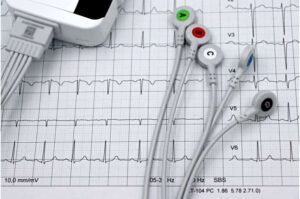
Smartphone-enabled AI tool can detect widely underdiagnosed heart condition
A new Yale-developed artificial intelligence (AI) platform can detect individuals at risk for amyloid cardiomyopathy, an underdiagnosed cardiac condition, using data from a quick and accessible heart test.

Wearable stroke rehabilitation device gives patients the upper hand
A team led by University of Massachusetts Amherst researchers has developed a wearable wrist device powered by a machine-learning algorithm that can continuously track changes in arm movement impairment after a stroke. Monitoring those changes throughout rehabilitation could allow clinicians to adjust therapy in real time, tailoring care instead of relying on the current one-size-fits-all approach.

Your voice may reveal how fast and how well you’re aging
A large study shows that machine-learning clocks based on speech can estimate chronological age and may also offer a window into brain aging, biological aging, cognitive health, cumulative burden and dementia.
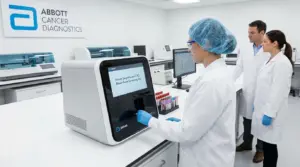
Abbott launches SimpleScreen™ CRC blood test, joining Cologuard Plus® in its colorectal cancer screening portfolio
ABBOTT PARK, Ill., Sept. 30, 2026 /PRNewswire/ — Abbott (NYSE: ABT) today announced the U.S. commercial launch of SimpleScreen™ CRC, an FDA-approved blood-based colorectal cancer (CRC) screening test for adults age 45 and older who are at average risk for the disease.

FDA ACCEPTS NEW DRUG APPLICATION FOR CELECOR’S INVESTIGATIONAL HEART-ATTACK DRUG
Agency assigns zalunfiban (DisaggproTM) a PDUFA target action date of June 18, 2027
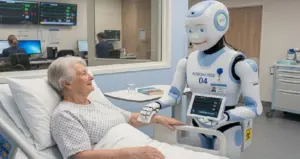
Healthcare Triangle, Inc Signs MOU to Bring AI-Enabled Humanoid Nursing Robots to Hospitals in North America
HCTI signs MOU which details planned North American Joint Venture.The Proposed venture would deploy humanoid robots to assist with patient toileting and hygiene care, easing the physical burden on nursing teams while preserving patient dignity
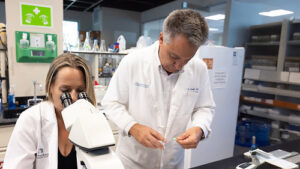
FIRST-IN-HUMAN STUDY DEMONSTRATES Qi601 CAN PHYSICALLY CAPTURE MICROPLASTICS
SARASOTA, Fla., Sept. 30, 2026 /PRNewswire/ — Micro- and nanoplastics are now found throughout the environment – in the air we breathe, the water we drink and the food we eat – and have been detected in multiple tissues within the human body.
Lung cancers can use two different mechanisms to evade KRAS-inhibiting drugs
Some tumor cells develop resistance by amplifying the KRAS gene, while others change their tumor type, MIT researchers have found.