

BTL Expands EXOMIND® Platform with New FDA Clearances
MARLBOROUGH, Mass., Oct. 1, 2026 /PRNewswire/ — BTL Industries, a global leader in medical and wellness technologies, today announced expanded FDA clearances for EXOMIND®, its noninvasive brain stimulation platform.

Medtronic drug-coated balloon gets FDA breakthrough status
Medtronic plans to study the device in patients with peripheral artery disease below the knee, a historically difficult condition to treat.

Edwards earns FDA approval for first-of-its-kind size-adjustable pediatric heart valve
Edwards Lifesciences earned FDA approval for its Autus size-adjustable heart valve, a surgical pulmonary heart valve for pediatric patients with congenital heart disease, the company announced today.
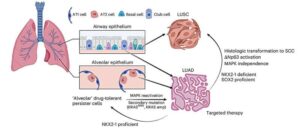
Lung cancers can use two different mechanisms to evade KRAS-inhibiting drugs
About 25% of lung adenocarcinomas have mutations of the gene KRAS, which drives uncontrolled cell growth. In recent years, the FDA has approved two KRAS inhibitors to treat patients with KRAS mutations. While these drugs can work well initially, tumors almost always develop resistance to them.
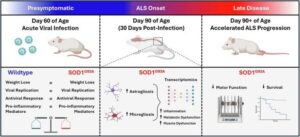
Viral infections can accelerate the progression of ALS, researchers find
A new study from McMaster University suggests that common viral infections—like influenza or COVID-19—may accelerate the onset and progression of amyotrophic lateral sclerosis, or ALS.
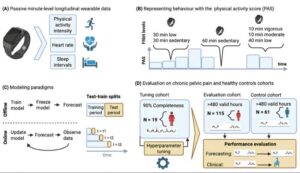
Wearable AI forecasts prolonged sitting in women with chronic pelvic pain
Researchers at the Icahn School of Medicine at Mount Sinai have developed an artificial intelligence (AI) approach that uses data from wearable devices to forecast upcoming periods of prolonged sitting in women with chronic pelvic pain disorders.

AI-guided light analysis could help assess skin cancer and reduce unnecessary biopsies
Skin cancer is the most common cancer in the United States and among the most common worldwide. Nearly 1.5 million new cases were diagnosed globally in 2024, including nearly 340,000 melanomas. Nonmelanoma skin cancers—primarily basal cell carcinoma (BCC) and squamous cell carcinoma (SCC)—are even more common, with 5.4 million cases diagnosed annually in the U.S.
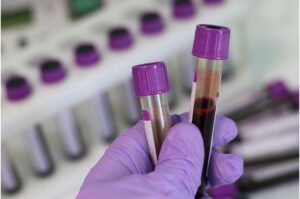
Blood RNA markers may flag lung cancer risk 10 years before diagnosis
Genetic markers in the blood that can signal lung cancer risk up to 10 years before a person is diagnosed have been discovered by University of Hawaiʻi researchers. The set of 31 tiny markers, called small noncoding RNAs, could eventually help identify people at higher risk while cancer remains clinically undetected.