
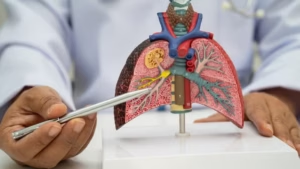
FDA clears Cepheid’s multiplex respiratory panel test
The panel is designed to identify 13 common bacterial and viral respiratory pathogens from one nasopharyngeal swab.
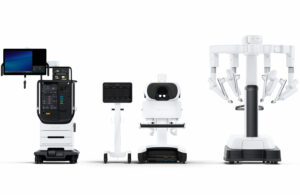
Intuitive receives CE mark for da Vinci 5 cardiac procedures
Intuitive (NASDAQ: ISRG) continues to get back to its roots, claiming a European approval for its da Vinci 5 system in minimally invasive cardiac procedures.
A blood-based approach could enable personalized immunotherapy without the need for a tumor biopsy
In a study published in Cancer Discovery, cancer neoantigens and neoantigen-specific T cells were identified from patient blood samples by analyzing circulating tumor DNA (ctDNA) and immune cells.
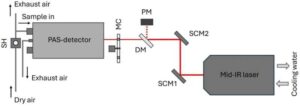
Detecting diseases through body odor? New laser technology shows potential for non-invasive diagnostics
Researchers at the Fraunhofer Institute for Integrated Circuits IIS and the Technical University of Dresden have tested a new approach for investigating disease-related changes in body odor. Using laser-based photoacoustic spectroscopy, they analyzed volatile organic compounds in simple body swabs. An initial study revealed differences between samples from healthy individuals and those from people with Parkinson’s disease, COVID-19, and other diseases. The results, published in Scientific Reports, demonstrate the method’s potential for faster preliminary screenings in the future.
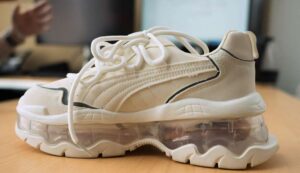
Engineers develop a smart shoe that could help track changes in how people walk
Rutgers engineers have developed a smart shoe that automatically analyzes how a person walks, a technology that someday could help monitor people with Parkinson’s disease, spinal cord injuries, traumatic brain injuries and other movement disorders. The prototype analyzes movement with 95.4% accuracy while counting steps and estimating calories burned.
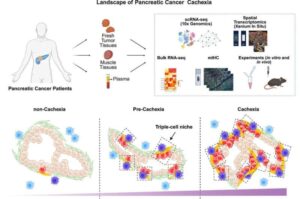
Cell network reveals how pancreatic cancer drives muscle and fat loss
Research published today in Cell identifies three small subclusters of cells that drive pancreatic cancer-induced cachexia, a muscle-wasting and fat-loss condition that makes patients less able to tolerate cancer treatment. The study, led by the University of Oklahoma, could help researchers develop treatments targeting these subclusters.
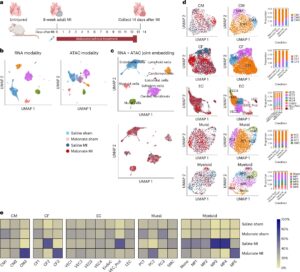
Modifying heart cell metabolism unlocks self-repair system after heart attack
The adult human heart is a reliable, resilient engine fueling our everyday lives while also being responsive enough to supercharge a Usain Bolt sprint or sustain a three-week bike race in the French Alps and Pyrenees.
Elsevier launches ClinicalKey Nursing AI, a new evidenced-based clinical AI solution built specifically for nurses
Developed to fit around nursing workflows, ClinicalKey Nursing AI gives nurses fast, traceable answers to clinical questions at the point of care.