
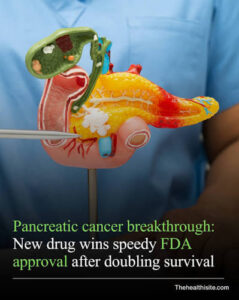
RevMed receives early FDA approval for ‘groundbreaking’ pancreatic cancer drug
The FDA granted the approval of Revolution Medicines’ daraxonrasib, now to be known as Rasonque, in pancreatic adenocarcinoma 6.5 months ahead of deadline.

Cell therapy substantially reduces severe rheumatoid arthritis in first clinical trial
Immunotherapies such as CAR T-cell therapy are used primarily to treat cancer. In the future, these patient-specific therapies, manufactured from patients’ own immune cells, could also help cure autoimmune diseases.
Immune cells that drive harmful autoantibody responses after COVID-19 identified
When the immune system encounters a virus, it produces antibodies designed to recognize and eliminate the invader. But in some people infected with SARS-CoV-2, the virus that causes COVID-19, the immune response goes awry, producing autoantibodies—antibodies that mistakenly attack the body’s own tissues.
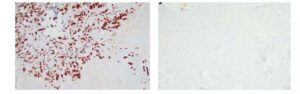
New combination therapy shows promise in metastatic pancreatic cancer
Results from an early-stage clinical trial, published in Nature Communications, showed encouraging outcomes among patients with newly diagnosed cancer whose tumors had spread to distant organs.

Priovant nabs first FDA approval for targeted tablet in dermatomyositis
Lisraya carries a boxed warning typical of JAK inhibitors, but otherwise has a broad label that allows use in all adults with the rare autoimmune disease, setting up the drug for blockbuster status in a few years, according to Leerink.

Lilly joins Novo in cardiovascular space after FDA nod for GLP-1/GIP agonist Mounjaro
With the approval, Eli Lilly’s Mounjaro becomes the first dual GIP/GLP-1 receptor agonist indicated to lower the risk of heart attack, stroke or cardiovascular death in adults with type 2 diabetes.
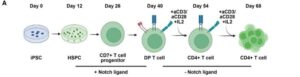
Researchers develop scalable method to generate key immune cells for cancer therapy
Researchers at the Center for Regenerative Medicine (CReM) at Boston Medical Center (BMC) and Boston University (BU) have developed a scalable method for generating CD4+ helper T cells from induced pluripotent stem cells (iPSCs), overcoming a longstanding challenge in the development of stem cell-based immunotherapies.
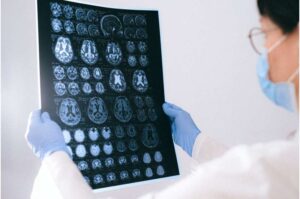
Unexpected discovery reveals mechanism behind brain tumor development
When researchers at Lund University investigated how UM171, a molecule used to make blood stem cells multiply, works, they made an unexpected connection. The results provide new insights into how one of the most common malignant brain tumors in children could be treated in the future. Their research is published in the journal Cancer Gene Therapy.