
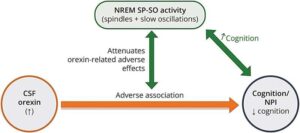
Deep sleep brain waves offer protection against Alzheimer’s disease, new research shows
Poor sleep quality has been linked to cognitive decline, neurodegeneration and Alzheimer’s disease in older adults. A new international study led by Concordia researchers and published in the journal Neurology shows that specific sleep brain waves provide protection against the harmful effects of a brain chemical usually associated with wakefulness and sleep transition.

Bladder cancer detected up to five years before diagnosis—thanks to AI
Bladder cancer claims 220,000 lives globally each year, with symptoms sometimes mistaken for other conditions such as kidney stones. Now researchers have developed an artificial intelligence system that can identify bladder cancer patients up to five years before their official diagnosis, potentially revolutionizing screening for the disease.

Biodegradable 3D-printed gastric stent with lattice design could eliminate repeat procedures
Researchers at NYU Abu Dhabi have developed BRIDGE (Biodegradable aRchitected Internal DrainaGE), a biodegradable, 3D-printed gastric stent that could improve treatment for gastric leaks, a serious complication following weight-loss surgery.

A painless punch with a microneedle patch could detect kidney disease earlier
Kidney disease is silent in its early stages, progressing without symptoms until the disease is advanced. Researchers in the McKelvey School of Engineering at Washington University in St. Louis, in collaboration with researchers at WashU Medicine and Texas A&M University, have been developing a minimally invasive method to improve diagnosis at earlier stages.
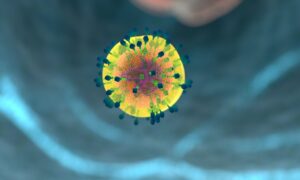
‘Teacher cells’ coated with tumor fragments train T cells to attack cancer in lab tests
The immune system possesses legions of T cells that, if primed, could hunt down and destroy tumors. Now, a UC San Francisco team has invented a way to do this by combining immune cells grown in the lab with samples from a patient’s tumor. Like giving a scent to a hound dog, it shows the immune system how to go after the cancer.
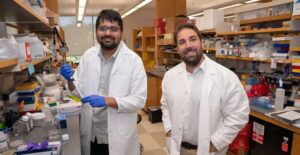
New mRNA immunotherapy eliminates pancreatic tumors in mice
Inspired by the work of the RNA Therapeutics Institute at UMass Chan Medical School and the development of the COVID vaccine, Marcus Ruscetti, Ph.D., and Chaitanya Naimesh Parikh, Ph.D. ’26, have developed an immunotherapy using a cocktail of messenger RNAs (mRNA) that could potentially transform pancreatic cancer treatment.

Unravelling a New Mechanism of PARP Inhibitor Resistance in Cancer
The research highlights the role of TEX264, a protein that helps cancer cells remove and degrade PARP1 trapped on DNA following treatment

Avulux lands FDA de novo classification for light-sensitive migraine lenses
Avulux’s lens technology uses a optical filters to block up to 97% of blue, amber, and red light while letting soothing green light through.