
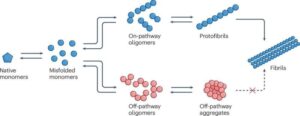
Tiny protein oligomers may unlock earlier diagnosis for Alzheimer’s and related diseases
For more than three decades, scientists have sought to combat diseases caused by protein misfolding by targeting the large protein clumps that accumulate in affected tissues. Yet, despite intensive efforts, clinical success has been limited.

Deep brain stimulation shows potential to improve communication after traumatic brain injury
Deep brain stimulation, or DBS, may help improve speech and swallowing problems caused by traumatic brain injury (TBI), according to a new University of Pittsburgh School of Medicine study published in Nature Communications.

New imaging technique reveals bone building at a microscopic level
Biomedical scientists have developed a new nanoscale imaging technique that allows researchers to directly see how bone-forming cells use nutrients and build bone inside the body.
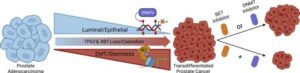
New drug combination may help treat advanced prostate cancer
About 1 in 8 men are diagnosed with prostate cancer during their lifetime. Although many survive, it can develop into metastatic disease.
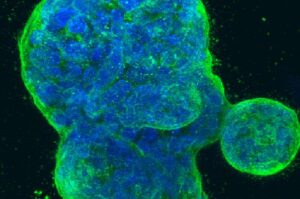
Scientists identify molecule driving one of the deadliest forms of breast cancer
Australian researchers have uncovered a promising new way to tackle one of the most aggressive forms of breast cancer, raising hopes for more effective treatments to stop the disease from spreading.
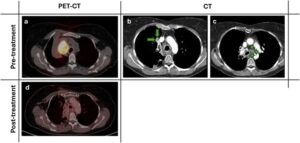
Lung cancer patient becomes tumor-free after treatment with selenite
A patient with advanced, treatment-resistant lung cancer became tumor-free after treatment with the selenium compound selenite. This is shown in a new study from Karolinska University Hospital and Karolinska Institutet published in the journal Oncology and Therapy as a case report. The findings may contribute to increased knowledge about selenite as a possible cancer treatment.

The importance of indoor airflow patterns in spreading airborne disease
Researchers explore how a key factor can mitigate or promote tuberculosis transmission.
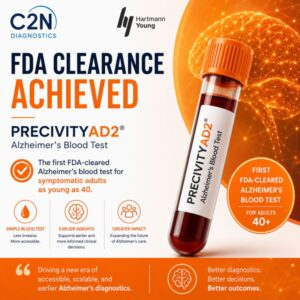
FDA clears C2N Diagnostics’ early Alzheimer’s assessment test
C2N’s Alzheimer’s test is the first to be FDA-cleared for use in patients as young as 40 who present with cognitive impairment symptoms.