
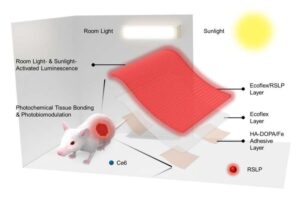
Ambient light activates wearable patch for wound treatment
A research team has developed a wearable patch that simultaneously promotes wound closure and tissue regeneration using room light or sunlight, without batteries or an external electrical power source. The work has been published online in Advanced Materials.
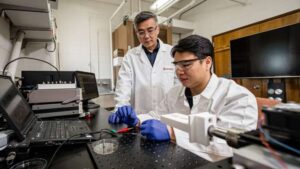
Heartbeats power a battery-free pacemaker designed to last a lifetime
Madison researchers have developed an implantable, battery-free pacemaker that’s charged by a patient’s heartbeat. The device has the potential to last an entire lifetime, reducing the risks and costs associated with replacing devices when their batteries fail.
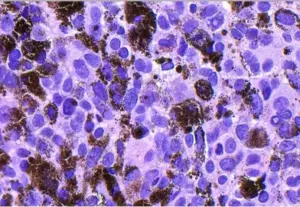
‘Breakthrough’ mRNA cancer drug curbs melanoma in large trial
US drugmakers Merck and Moderna said Wednesday a personalized cancer treatment had shown success in reducing the recurrence of melanoma tumors in a late-stage trial hailed by experts as a “breakthrough.”
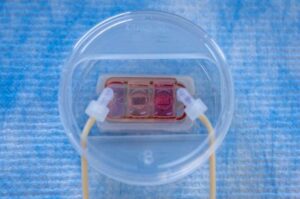
Human multi-organ chip tracks breast cancer spread to bone and lung
Cancer spreading beyond the primary tumor—a process known as metastasis—is responsible for at least two-thirds of cancer deaths. Drugs targeting metastatic progression have largely failed, in part because of the lack of predictive models that would help identify the underlying mechanisms of metastasis.
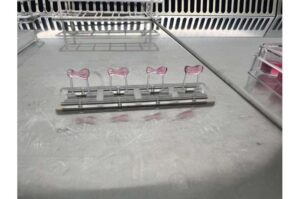
Compound produced after eating pomegranates targets stiff-heart failure pathway, early tests suggest
A compound produced in the body after eating pomegranates improves heart function by up to 80% in a type of heart failure with limited treatment options.
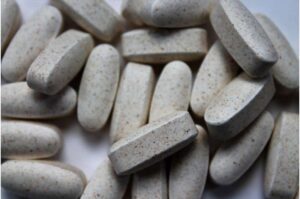
High-dose vitamin D may improve cognition among those at risk of dementia, study finds
With more than 7 million Americans living with Alzheimer’s dementia—a number projected to reach nearly 13 million by 2050—new Emory University research suggests that higher vitamin D supplement intake may be associated with better cognitive function in adults at elevated risk of dementia.
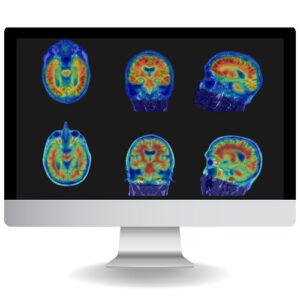
Cortechs.ai Announces FDA Clearance for NeuroQuant® PET: Advancing Molecular Imaging for Cognitive Impairment
COVINGTON, Ky., Aug. 18, 2026 /PRNewswire/ — NeuroQuant ® PET has received FDA 510(k) clearance (K261916) for PET. NeuroQuant PET ® aids physicians in the evaluation of patient pathologies and the clinical interpretation of PET performed for the assessment of cognitive impairment and other neurological conditions.
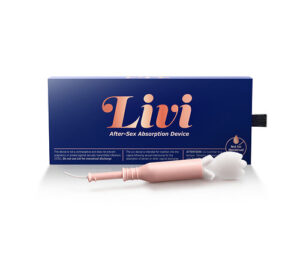
Livi®, the First FDA-Cleared After-Sex Absorption Device, Is Now Available
Doctor-created Livi addresses a long-overlooked need in post-sex intimate health, available exclusively at MyLivi.com.