
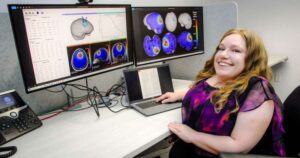
Electric fields offer new hope against aggressive brain cancer
More than a decade ago, Dr. Matthew Hebb was treating patients with Parkinson’s disease using deep brain stimulation by implanting tiny electrodes into the brain and delivering electrical signals to control tremors. He wondered if the same basic technology could be used against brain cancer.
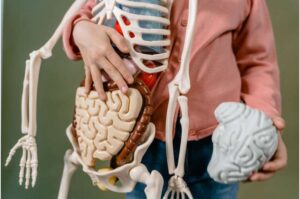
A new target in the gut for reducing Alzheimer’s risk
A compound produced by bacteria in many people’s digestive tracts increases the risk of developing Alzheimer’s disease and speeds cognitive decline in dementia patients, making it a potential target for a treatment that could reduce Alzheimer’s risk, according to a new study published in Nature Communications
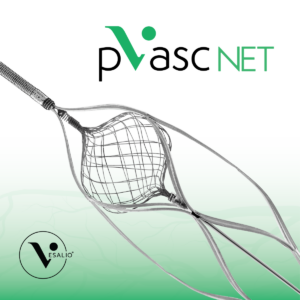
FDA clears Vesalio’s latest mechanical thrombectomy device
Vesalio’s pVasc NET mechanical thrombectomy device integrates clot-capture technology to retain clot fragments during retrieval.
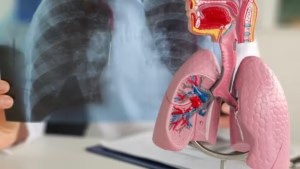
Freenome’s lung cancer test receives FDA breakthrough status
The SimpleScreen test is designed to detect early lung cancer signals from a standard blood sample.

FastWave Medical earns FDA IDE approval for next-gen IVL system
FastWave Medical earned FDA investigational device exemption (IDE) approval for its next-generation intravascular lithotripsy (IVL) technology, the company announced today.
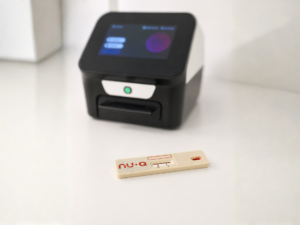
Volition Demonstrates Utility of Rapid, Point-of-Care Finger-Prick Test in Sepsis Patients
HENDERSON, Nev., Aug. 12, 2026 /PRNewswire/ — VolitionRx Limited (NYSE AMERICAN: VNRX) (“Volition”), a multi-national epigenetics company, today announces that results utilizing its lateral flow prototype are highly correlated with results utilizing Volition’s established automated Nu.Q® NETs test in critically ill sepsis patients1 , thereby expanding beyond centralized laboratory testing.
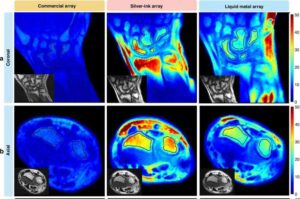
For the tiniest patients, new tech brings clearer MRI images
Some of medicine’s smallest patients can present its biggest imaging challenges. An infant’s heart can be as small as a walnut, beating rapidly inside a body that will change dramatically as the child grows. Yet much of the equipment used in MRI comes in standard sizes better suited to adult bodies, and customized versions can cost thousands of dollars and take months or even years to manufacture.
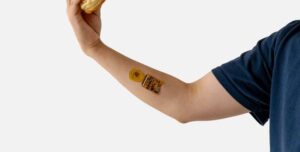
Sweat sensor enables continuous noninvasive measurement of cholesterol
Now, a team led by Wei Gao, a professor in Caltech’s Cherng Department of Medical Engineering, has developed a stick-on patch capable of gathering lipid measurements by analyzing sweat. And it can do so not just once but continuously.