
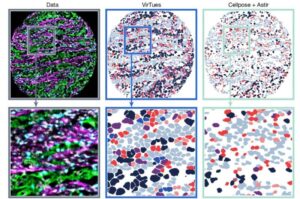
AI model maps tumor tissue to improve cancer care
A tumor is more than its cancer cells. Immune cells, blood vessels and other surrounding tissue influence how a cancer grows and responds to treatment. Two tumors containing the same cell types can respond very differently to the same therapy depending on how those cells are arranged. Spatial proteomics captures this organization in molecular detail, but the resulting data, which contain many different variables, are difficult to interpret and compare across studies.
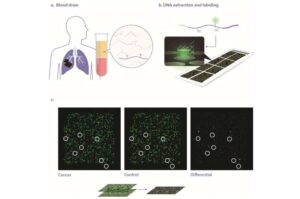
Simple blood test on a chip could help diagnose lung cancer
Researchers at Tel Aviv University have developed a new method for diagnosing lung cancer: a simple, fast, low-cost blood test that does not require DNA sequencing.

Labcorp’s advanced melanoma CDx secures FDA approval
Labcorp’s CDx is designed to detect BRAF V600E and V600K melanoma mutations to determine which patients are eligible for BRAF inhibitor regimens.

Nerivio Demonstrates Consistent Migraine Relief in Largest Real-World Veteran Study
Peer-reviewed data from nearly 30,000 real-world treatments reinforce the role of NerivioÒ, a drug-free REN wearable, as an alternative for veterans managing this complex, often service-related condition
Medtronic gets CE mark for ablation to treat ventricular tachycardia
Older ablation approaches for ventricular tachycardia have been suboptimal, Medtronic said. The company plans to bring a more effective treatment for the life-threatening heart condition.
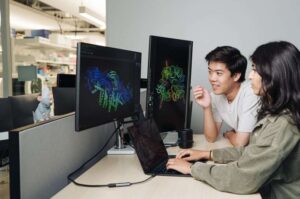
AI-designed E. coli killer points toward new ways to fight antibiotic-resistant bacteria
In science, the suffix “phage” means to devour. Thus, the name bacteriophage might conjure images of tiny creatures that “eat” bacteria. While that conception isn’t 100% scientifically accurate, bacteriophages are lethal killers of bacteria nonetheless, and scientists are excited about engineering phage DNA as a path to new antibiotics.
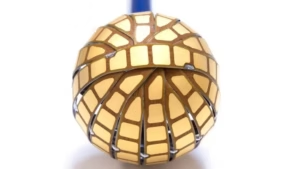
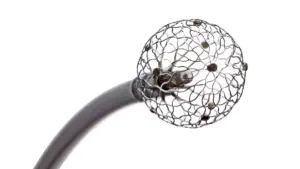
Health Canada approves Kardium’s Globe pulsed field system
The system pairs a 122‑electrode spherical array with real‑time thermal contact sensing and visualisation to guide ablation and confirm treatment.
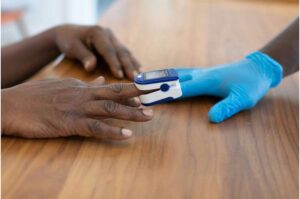
Wearable fingertip sensor identifies physical patterns linked to stress and anxiety
Researchers have shown that measurements taken from a person’s fingertip could help identify physical patterns associated with stress, anxiety and depression. The international study, involving experts from Aston University, used a wearable device that shines light into the skin to measure blood flow through the smallest blood vessels as well as changes in the activity of the surrounding tissue.