

3D genome mapping in rare immune cells reveals new Crohn’s disease genes
A new study co-led by professor Valeriya Malysheva, group leader at the VIB-UAntwerp Center for Molecular Neurology, published in Nature Genetics, uncovers how the three-dimensional organization of DNA in rare immune cells can help explain genetic risk for Crohn’s disease and other autoimmune conditions.
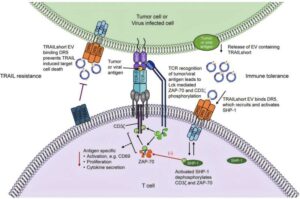
Researchers discover immune ‘off switch’ used by cancer cells
Mayo Clinic researchers have identified a protein that cancer cells use to shut down the body’s immune response, a discovery that could help scientists develop new treatments that make cancer immunotherapies more effective.
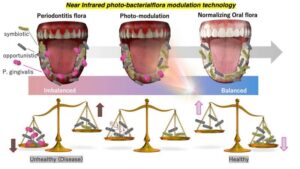
New therapy eliminates gum disease bacterium while preserving beneficial oral microbes
Researchers at Nagoya University in Japan have created an innovative treatment for periodontitis that targets and eliminates harmful bacteria while preserving beneficial oral microbes essential for health. The findings were published in the Journal of Translational Medicine.
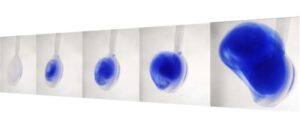
Implant design helps fight ovarian cancer from the inside
Researchers have developed an implant that could deliver next-generation therapies for ovarian cancer precisely where they are needed while simultaneously monitoring how the disease responds.
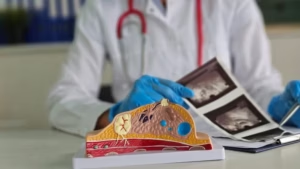
FDA grants 510K clearance for DeepHealth’s AI breast ultrasound technology
The DeepHealth Breast Ultrasound system automates the detection, characterisation, and reporting of breast lesions.

Ceribell earns Medicare win for brain monitoring tech
Ceribell (Nasdaq:CBLL) announced today that CMS granted a New Technology Add-on Payment (NTAP) for its Delirium Monitor System.
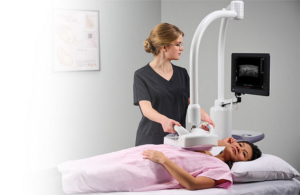
GE HealthCare launches new breast imaging systems
GE HealthCare (Nasdaq:GEHC) announced today that it launched its new Invenia ABUS Prime and ABUS StreamVue platforms.

Soft optical sensor offers new way to map the heart and brain
For people living with cardiac or neurological conditions, monitoring organ activity is an important part of diagnosis and treatment. But existing technology relies heavily on electrically based systems that often require a network of electrodes to be attached directly to the organ site.