
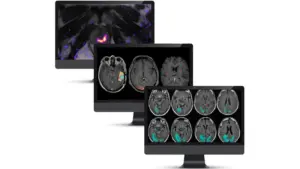
Cortechs.ai Expands CE Marking Across AI Imaging Platform for European Market
Cortechs.ai, a San Diego, CA-based provider of AI-powered quantitative imaging solutions, has announced the expansion of its European CE Marking under the European Union Medical Device Regulation (EU MDR) for its latest imaging products.
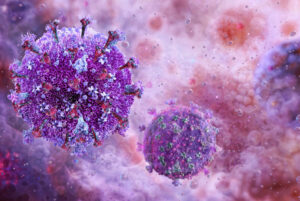
Tumor-like tissue environments could hold clues to curing HIV
Viral reservoirs in a proxy animal model of HIV share features with immune-suppressive tumors

Tampa General Hospital Deploys Drones for Pre-Hospital Whole Blood Delivery
Drone delivery will cut average blood transport times to under three minutes across a 70-square-mile coverage area in Hillsborough County
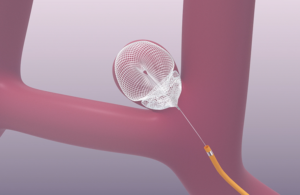
Galaxy Therapeutics’ SEAL embolization system gets CE mark
Galaxy Therapeutics, a privately held medical device company focused on the treatment of intracranial aneurysms, today announced that it has received CE mark for its SEAL Embolization System
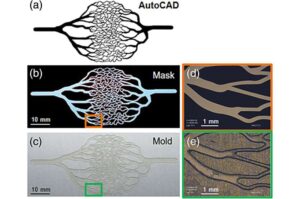
Skin-like test models could help improve medical devices for people of all skin tones
Many medical devices and wearable health sensors work by shining light into the skin and measuring the signal that returns. These technologies are used in products ranging from pulse oximeters to fitness trackers. However, studies have shown that some optical devices can be less accurate for people with darker skin, raising concerns about health care equity and patient safety. In a recent study reported in the Journal of Biomedical Optics, researchers at the VTT Technical Research Centre of Finland addressed this problem by developing realistic skin-like test models that represent a range of skin tones and include artificial blood vessels with flowing blood-like fluid.

AI tool for computing radiation dose helps personalize prostate cancer treatment
Radiopharmaceutical therapy (RPT) has made significant strides over the past 50 years, although it only recently received FDA approval to treat prostate cancer.

Researchers uncover hidden mechanism behind congenital heart disease
Congenital heart disease affects approximately two in every 100 newborns globally. But why does it occur? An important part of the answer may lie in a previously unknown mechanism on the surface of our cells. Researchers from the University of Copenhagen identified this mechanism in a new study.

Microplastics cross placenta-like barrier and disrupt key pregnancy hormones in new cell model study
Tiny, near-invisible fragments of plastic shed from the products we use every day through sunlight and mechanical wear have been quietly working their way deep into the human body. Microplastics have already been found in the human brain, semen and even the placenta. A recent study investigated how these micro- and nanoplastics (MNPs) might move through the placenta and whether they affect a baby’s development.