
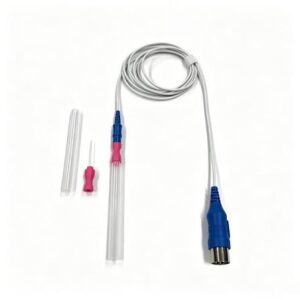
ElectroWire Medical Receives 510(k) Clearance for LightningWire™ Transseptal Puncture System
LEXINGTON, S.C., July 15, 2026 /PRNewswire/ — ElectroWire Medical announced today that the U.S. Food and Drug Administration has granted 510(k) clearance for its LightningWireTM Transseptal Puncture System, which is indicated to create an atrial septal defect in the heart, whereby various cardiovascular catheters are introduced.
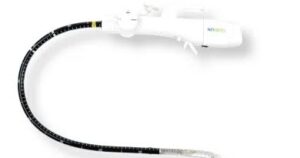
SpinaFX Medical Receives CE Mark MDR Certification for its Triojection® System
TORONTO, July 15, 2026 /PRNewswire/ — SpinaFX Medical Inc. (“SpinaFX”), a Toronto‑based medical device company specializing in image‑guided, minimally invasive spine care, today announced it has received Medical Device Regulation (MDR) CE Mark certification for its Triojection® System (MDR 843778).

Blood-Vessel-on-a-Chip Models Can Now Grow and Redirect New Capillaries
Learn how mechanical stretching helped lab-grown vessels sprout and redirect new capillaries, a step toward keeping engineered tissues alive.
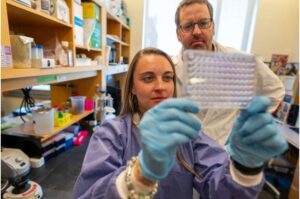
New cancer drug shows promise in mesothelioma trial
Mesothelioma is a rare but aggressive cancer, usually caused by exposure to asbestos. Inhaled asbestos fibers become lodged in the lungs, causing inflammation that can lead to tumor formation decades later. Worldwide, about 30,000 people are diagnosed with mesothelioma each year.
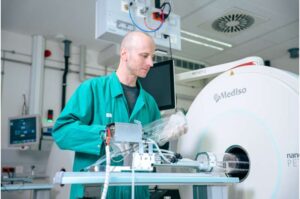
Two-isotope imaging could guide targeted alpha therapy for metastatic prostate cancer
Prostate cancer is one of the most common cancers affecting men worldwide. However, planning personalized radiotherapy in the advanced stages of the disease still requires more precise tools. Researchers at the Helmholtz-Zentrum Dresden-Rossendorf (HZDR) have now tested a novel approach.
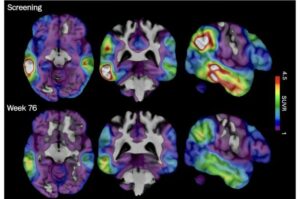
An experimental Alzheimer’s drug shows promise targeting a different brain protein, new study shows
An experimental drug might help slow early Alzheimer’s disease in a markedly different way than today’s treatments—by lowering levels of a brain protein called tau, researchers reported Tuesday.
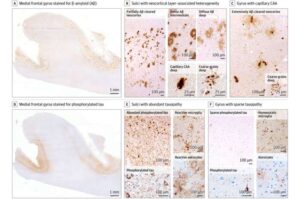
Amyloid-clearing treatment may curb tau buildup for years in Alzheimer’s brain
An analysis of the brain of a deceased Alzheimer’s disease (AD) clinical trial participant found that regions where an anti-amyloid therapy successfully cleared amyloid plaques showed little to no evidence of tau tangles, a hallmark of AD closely linked to neurodegeneration and cognitive decline.
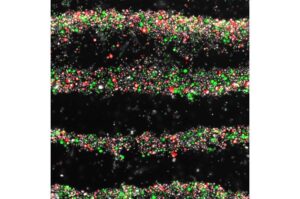
Sound waves guide cultured cells to form vessel-like networks within one week
With the aid of physical forces—in this case, sound—it is possible to actively steer the formation of engineered tissue. For example, sound waves can be used to create functional vascular networks with blood vessel-like structures in vitro. Scientists at the Center for Molecular Biology of Heidelberg University have demonstrated this through their methodology for acoustic manipulation. The team led by Junior Professor Dr. Daniela Duarte Campos also defines quality requirements for generating complex vascularized 3D tissue containing multiple cell types that is relevant, for example, to biomedical studies.