
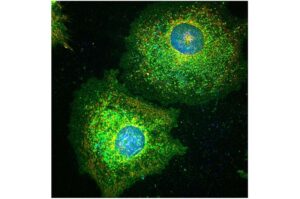
How cancers evade chemotherapy by entering a ‘zombie-like state’
Scientists at Trinity College Dublin have made a breakthrough in understanding how cancer cells can evade the cell-killing effects of chemotherapy and enter a “zombie-like state,” called premature senescence, that can attract the wound-healing properties of the immune system.
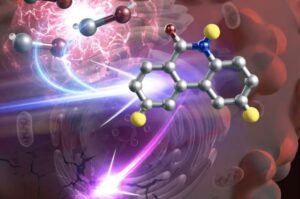
Cancer cells’ own carbon monoxide fuels anticancer drug production in lab tests
What if we could use a cancer’s own byproduct to make drugs that destroy tumor cells from the inside? That is what Katsunori Tanaka and his team have done at the RIKEN Pioneering Research Institute (PRI) in Japan.
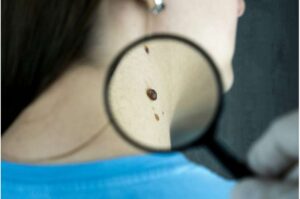
Melanoma vaccine reduces death or cancer recurrence by 42%
In a world-first international trial, adding intismeran, a type of personalized therapeutic cancer vaccine made from each patient’s own tumor, to pembrolizumab immunotherapy after surgery for high-risk melanoma reduced the risk of recurrence or death by 42%.
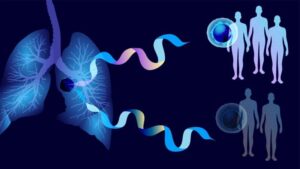
Overlooked ‘off switch’ in lung tumors may explain why immunotherapy doesn’t work for everyone
An overlooked mechanism in lung cancer tumors may help explain why most patients don’t respond to immunotherapy, according to new research led by Olga Anczuków, professor at The Jackson Laboratory for Genomic Medicine in Farmington, Connecticut, and deputy director of the NCI-designated Jackson Laboratory Cancer Center.
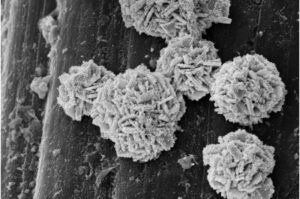
Tackling diabetes with an electronic implant: How a tiny catalyst lowers blood sugar
Type 2 diabetes is becoming increasingly common worldwide. Unlike type 1 diabetes, it is often linked to obesity, a sedentary lifestyle and excess energy intake over many years. Although insulin injections can bring blood sugar levels down, they do not address the body’s chronic energy surplus. Insulin merely helps muscle cells take up glucose from the bloodstream, but if the body does not use that energy, the excess is converted into fat. This helps explain why many patients continue to gain weight despite treatment.
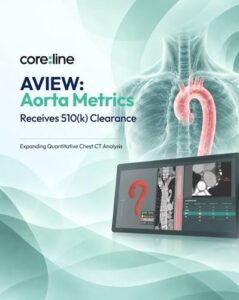
Coreline Soft Receives U.S. FDA 510(k) Clearance for AVIEW Aorta Metrics, Expanding Its Chest CT AI Portfolio in the U.S.
SEOUL, South Korea and CHICAGO, Oct. 23, 2026 /PRNewswire/ — Coreline Soft has received U.S. Food and Drug Administration (FDA) 510(k) clearance for AVIEW Aorta Metrics, its AI-powered aortic quantitative analysis software. The clearance, received on October 16, brings the company’s total to 13 FDA 510(k) clearances.
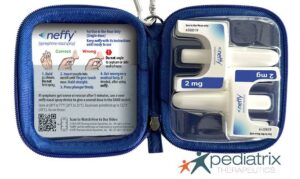
Novo’s Awiqli® receives FDA approval as the first and only once-weekly insulin for children 10 years of age and older with type 2 diabetes
PLAINSBORO, N.J., Oct. 23, 2026 /PRNewswire/ — Novo Nordisk today announced that the US Food and Drug Administration (FDA) has approved Awiqli® (insulin icodec-abae) injection 700 units/mL, the first once-weekly, long-acting basal insulin, as an adjunct to diet and exercise to improve glycemic control (blood sugar) in children 10 years of age and older with type 2 diabetes.1 This approval offers a once-weekly basal insulin treatment option, which reduces the frequency of weekly basal injections from seven to one per week.1
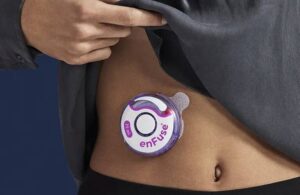
Enable Injections, Sanofi obtain approval for on-body myeloma therapy in Japan
After obtaining U.S. and European approvals this summer, Enable Injections has claimed its first regulatory green light in Japan for its enFuse wearable drug delivery technology.