
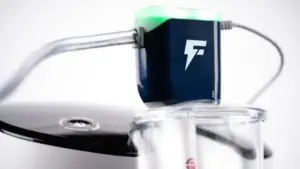
Pharaoh Neuro’s CSF filtration system wins FDA breakthrough designation
Pharaoh Neuro’s minimally invasive system for filtering cerebrospinal fluid has received a breakthrough designation from the FDA, with its design to clean out unwanted blood following certain internal brain bleeds
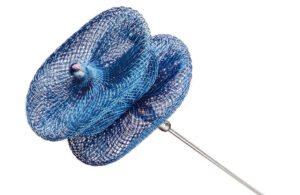
FDA approves Abbott’s new Amplatzer occluder for paravalvular leaks
Abbott (NYSE: ABT) has secured an FDA approval for a minimally invasive system to plug new leaks in a replacement heart valve, without requiring the patient to undergo open surgery a second time.
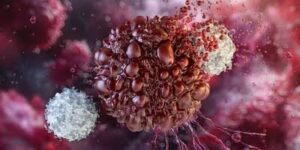
Preclinical research shows macrophages can be programmed to fight solid cancer tumors
One person dies every 50 seconds in the U.S. from cancer, and an estimated 39% of people in the country will develop cancer during their lifetime. Survival rates have improved in recent decades from innovations and combinations of treatments, including surgery, chemotherapy, radiation, immunotherapy and biotechnology. Still, some cancers resist treatment or recur.
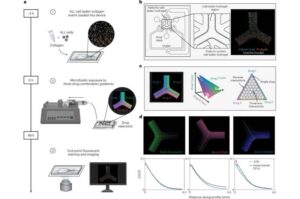
Lab-on-a-chip predicts which cancer treatments may work for pediatric acute lymphoblastic leukemia
More than 120,000 people in the U.S. are living with acute lymphoblastic leukemia (ALL), and 6,000 new cases are diagnosed each year. Of those, more than 3,500 will be in children. Responsible for 75% of all pediatric leukemia diagnoses, ALL is a rapid-onset blood cancer, preventing the body from producing mature, infection-fighting white blood cells, sometimes within a matter of months.
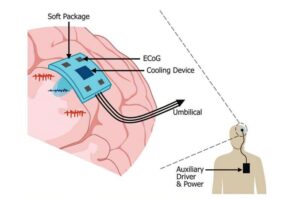
3D-printed implant prototype combines brain activity recording with targeted cooling
Researchers affiliated with the Leibniz Institute of Polymer Research Dresden (IPF) and the Else Kröner Fresenius Center (EKFZ) for Digital Health at TU Dresden have developed a 3D-printed implant prototype that combines the recording of brain activity with targeted cooling. The technology could pave the way for alternative approaches to treating drug-resistant focal epilepsy. The research is published in the journal Advanced Science.

Vincora Receives FDA Approval to Initiate U.S. Early Feasibility Study of Transcatheter Chordal Repair System
MAPLE GROVE, Minn., Oct. 27, 2026 /PRNewswire/ — Vincora (NeoChord, Inc. d/b/a Vincora), a medical technology company developing transcatheter therapies for mitral valve repair, today announced that the U.S. Food and Drug Administration (FDA) has approved the Company’s Investigational Device Exemption (IDE) to initiate a U.S. Early Feasibility Study (EFS) of its investigational Transcatheter Chordal Repair System for the treatment of degenerative mitral valve regurgitation.
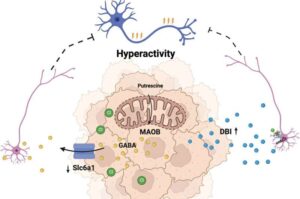
Glioblastoma’s secret weapon: Silencing the brain’s off switch
Researchers at Baylor College of Medicine have discovered a new strategy that glioblastoma, the most common and aggressive form of adult brain cancer, uses to fuel its own growth. Published in the journal Neuron, the study shows in animal models that glioblastoma hijacks the activity of neighboring brain cells, flipping them from a role that limits tumor growth to one that promotes it. The findings point to new treatment possibilities for this deadly cancer, which has seen only minimal gains in patient survival over the past half century.

Wearable EEG patch records stable brain signals over 24 hours, including sleep
Reliably recording brain activity over many hours has so far been fraught with technical and practical challenges. While traditional electroencephalography (EEG) systems provide meaningful data, they are often uncomfortable and typically limited to controlled testing environments. Is it even possible to record EEG signals with good signal quality in everyday situations?