
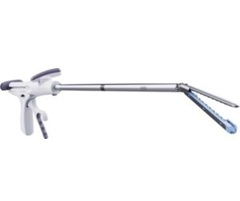
NICE Surgical Awarded U.S. Patent for Purse-String Stapler
SINGAPORE, July 1, 2026 /PRNewswire/ — NICE Surgical Solutions Pte Ltd (“NICE Surgical”), a clinical-stage medical device company pioneering full intracorporeal anastomosis surgical instruments has been officially granted the U.S. Patent No. 12,653,527 B2, for its purse-string stapler.
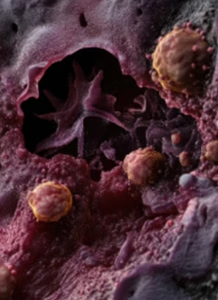
SkylineDX’s predictive melanoma test secures FDA breakthrough designation
SkylineDX’s test stratifies cutaneous melanoma patients into metastatic risk categories to inform treatment decisions.
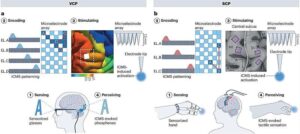
Restoring lost senses: One technology for both artificial vision and touch
The comprehensive review in which this discovery was first made is published in Nature Reviews Bioengineering and was led by Giacomo Valle, assistant professor at Chalmers University of Technology in Sweden.
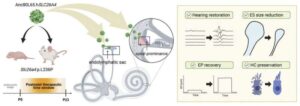
New postnatal gene therapy offers hope for congenital hearing loss
A collaborative research team led by National Yang Ming Chiao Tung University and National Taiwan University investigated the therapeutic potential of gene therapy administered after birth.
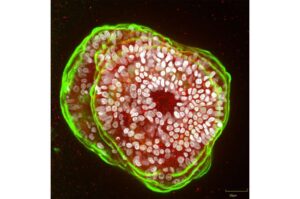
Personalized disease-in-a-dish can improve a pancreatitis patient’s therapeutic path
In a new study published in Cell Stem Cell, the researchers developed a patient-derived organoid platform to uncover how chronic pancreatitis develops at the molecular level and identify possible therapeutic strategies.
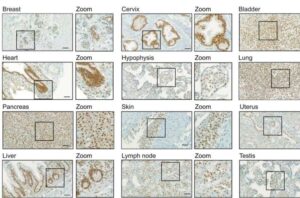
New mechanism behind breast cancer metastasis uncovered
In the new study, the researchers show that METTL3 in breast cancer cells relocates from its usual location in the nucleus to the cytoplasm.

New T‑cell therapy targets three tumor proteins, shows early survival gains in aggressive pediatric brain cancers
Researchers report encouraging early results from a first-in-human clinical trial led by Children’s National Hospital using a new T-cell immunotherapy for children and young adults with some of the deadliest brain tumors.
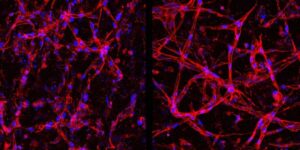
Lab-grown retinal cells show promise for new eye therapies
Biomedical engineers at Duke University have used induced pluripotent stem cells (iPSCs) to grow specialized blood vessel cells critical to retinal health for the first time.