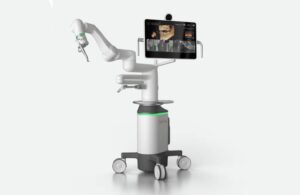
Neocis unveils next-gen AI-powered dental robot
Neocis announced today that it launched Yomi S, its next-generation robotic platform for dental implant surgery.

Neocis announced today that it launched Yomi S, its next-generation robotic platform for dental implant surgery.
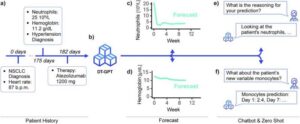
A new artificial intelligence tool that can create virtual representations of patients and predict individual health trajectories has been hailed a potential gamechanger for the clinical trial sector.

New platform is designed to enable fast, scalable access to a wide range of AI imaging solutions

ViTAA’s FDA clearance on its AiORTA tool represents the first part of its planned full-suite aortic care platform.
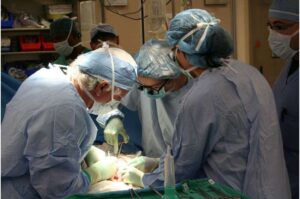
There are more candidates on the waitlist for a liver transplant than there are available organs, yet about half the time a match is found with a donor who dies after cardiac arrest following the removal of life support, the transplant must be canceled.

In a move for women’s health, menstrual health startup Joii is launching the world’s first AI-powered app that accurately measures period blood volume in the UK, transforming a guessing game into hard data that benefits patients and clinicians alike.
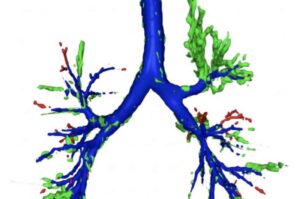
Researchers at the University of Southampton have developed an artificial intelligence (AI) tool that can spot hard-to-see objects lodged in patients’ airways better than expert radiologists.
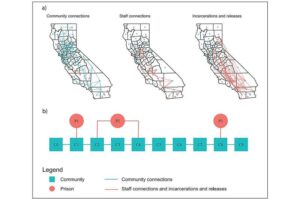
Stanford Health Policy researchers built a model to test whether AI could effectively manage disease spread between prisons and surrounding communities. The results were decisive.

Researchers from Deakin University, Black Dog Institute and UNSW have completed an AI-optimized trial testing digital mental health interventions for university students experiencing psychological distress.
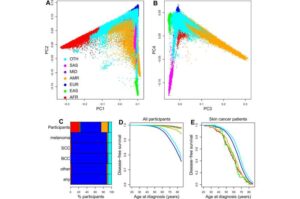
Researchers at the University of California San Diego School of Medicine have developed a new approach for identifying individuals with skin cancer that combines genetic ancestry, lifestyle and social determinants of health using a machine learning model. Their model, more accurate than existing approaches, also helped the researchers better characterize disparities in skin cancer risk and outcomes.