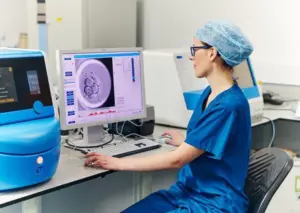
FertilAI Secures CE Mark for Predictive AI in Fertility Treatment Optimization
AI will soon enable clinicians to predict ovulation and optimize IVF cycle timing, improving outcomes and operational efficiency.

AI will soon enable clinicians to predict ovulation and optimize IVF cycle timing, improving outcomes and operational efficiency.
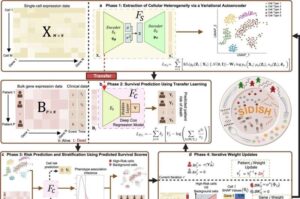
McGill University researchers have developed an artificial intelligence tool that can identify small groups of cells most responsible for driving aggressive cancers.

By using AI to analyze more than 400,000 Reddit posts, Penn researchers have identified patient-reported symptoms associated with GLP-1s, the popular weight-loss and diabetes drugs semaglutide and tirzepatide, that may not be fully captured in clinical trials or regulatory documents.
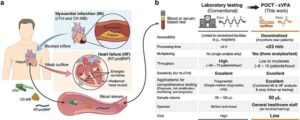
Cardiovascular diseases remain the leading cause of death worldwide, accounting for nearly 20 million deaths each year. Rapid diagnosis and risk assessment of cardiac injury are therefore essential for improving patient outcomes.
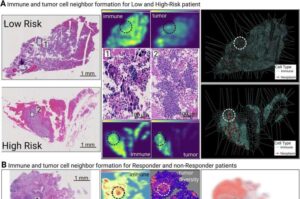
Results of a new study conclude that a pathology tool powered by artificial intelligence can predict whether a patient with extensive-stage small cell lung cancer will respond to platinum-based chemotherapy—before treatment has begun, and without additional biopsies. That means patients can avoid treatments that are unlikely to help them, have a chance to enroll earlier in clinical trials of newer drugs, and may get a clearer picture of their prognosis.
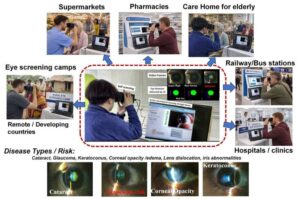
Imagine being able to assess how healthy the front of our eyes are not only in hospitals, but also in remote eye-screening camps, elderly-care facilities, pharmacies, or even train stations. That is the future a research team led by Professor Toru Nakazawa at the Graduate School of Medicine, Tohoku University is working toward with a newly developed portable AI-powered scanning slit-light device. This convenient device hopes to make ophthalmic care more accessible, so patients can be assessed any place and any time. The findings are published in Scientific Reports.
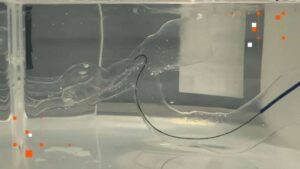
Researchers at King’s College London have shown for the first time that AI can autonomously perform thrombectomy navigation in a physical lab setting, a step toward expanding access to life-saving stroke treatment. For their study, now published in IEEE Robotics and Automation Letters, the team developed a robotic system that uses AI to navigate the complex pathway through blood vessels from the leg to the brain during mechanical thrombectomy (MT).

Butterfly’s GA tool within its point-of-care ultrasound (POCUS) system is intended for rollout in regions with socioeconomic barriers to obstetric imaging services.
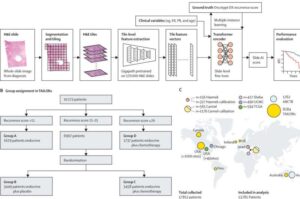
Researchers from the Technion—Israel Institute of Technology, together with collaborators from leading medical centers in the United States and Europe, have developed an artificial intelligence (AI) model that predicts both the risk of breast cancer recurrence and the likelihood that a patient will benefit from chemotherapy.
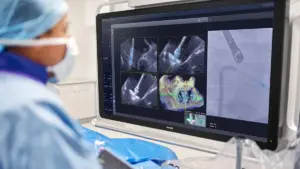
The system uses AI to optimize the placement of Edwards’ mitral valve repair device.