Blog

- DISEASE ADVANCES

Faster cancer screening? New AI system offers a better way to detect abnormal cells

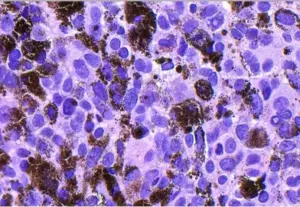
One way cancer specialists detect the disease is by examining cells and bodily fluids under a microscope, a time-consuming and labor-intensive process called cytology. It involves visually inspecting tens of thousands to one million cells per slide for subtle 3D morphological changes that might signal the onset of cancer. But AI offers an approach that is potentially faster and more accurate.

Read More »

AI decodes tissue characteristics of type 2 diabetes

Researchers from several partner institutions of the German Center for Diabetes Research (DZD) have collaborated with international colleagues to develop a new approach for visualizing subtle tissue changes in the pancreas in type 2 diabetes. The results provide new insights into the development of type 2 diabetes. The study has now been published in Nature Communications.

Read More »

Scientists develop first-of-its-kind antibody to block Epstein Barr virus

Fred Hutch Cancer Center scientists reached a crucial milestone in blocking Epstein Barr virus (EBV), a pathogen estimated to infect 95% of the global population that is linked to multiple types of cancer, neurodegenerative diseases and other chronic health conditions. Using mice with human antibody genes, the research team developed new genetically human monoclonal antibodies that prevent two key antigens on the surface of the virus from binding to and entering human immune cells.

Read More »

Sibel Health Receives FDA Acceptance into Drug Development Tool Qualification Program for Innovative Cough Monitoring Sensor

CHICAGO, Feb. 19, 2026 /PRNewswire/ — Sibel Health, a leader in medical-grade wearable sensor technology, today announced that the U.S. Food and Drug Administration (FDA) has accepted the company’s recent Letter of Intent (LOI) into the Clinical Outcome Assessment (COA) Qualification Program under the Drug Development Tool (DDT) framework. The acceptance marks a significant milestone in advancing objective cough frequency measurement for adult patients with chronic refractory cough (CRC) using a novel Cough Monitoring sensor, the Aria sensor.

Read More »