Abbott earns FDA green light for next-gen CardioMEMS pulmonary artery pressure reader
Abbott (NYSE: ABT)+ today the FDA approved its CardioMEMS Hero next-generation pulmonary artery (PA) pressure reader.

Abbott (NYSE: ABT)+ today the FDA approved its CardioMEMS Hero next-generation pulmonary artery (PA) pressure reader.

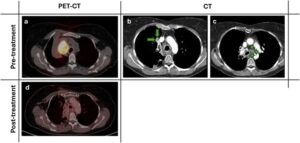
OXFORD, England, Feb. 26, 2026 /PRNewswire/ — Optellum, the leading AI-enabled solution for earlier lung cancer detection, is thrilled to announce that it has received Therapeutic Goods Administration (TGA) class IIb approval in Australia for the Virtual Nodule Clinic (VNC) platform to support early lung cancer diagnosis.

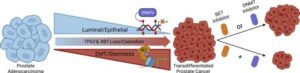
Immunotherapy has been generally ineffective for prostate cancer because the tumors are considered immunologically “cold,” meaning they do not attract enough immune cells to mount a strong attack.

A Phase I clinical trial published in The Lancet has shown that combining stem cell therapy with standard fetal surgery before birth is a safe and promising approach to treat myelomeningocele, a severe form of spina bifida.

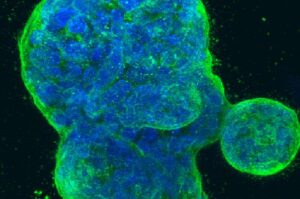
Learn how a new laser-based therapy is giving patients with aggressive brain cancer a stronger chance at survival.

PARSIPPANY, N.J., Feb. 25, 2026 /PRNewswire/ — Scopio Labs today announced it has achieved IVDR certification from BSI, a major regulatory milestone that clears the path for its AI-driven digital morphology platforms in the European Union

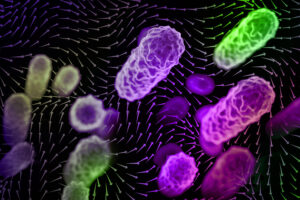
Learn how reseachers are working to engineer certain bacteria to consume tumors.

Medtronic (NYSE:MDT) announced today that it launched its MiniMed Go smart multiple daily injection (MDI) system with the Simplera sensor.

Subtle changes in how blood flows through the brain and how brain tissue uses oxygen may be closely linked to Alzheimer’s disease risk, according to new research from the Mark and Mary Stevens Neuroimaging and Informatics Institute (Stevens INI) at the Keck School of Medicine of USC.

Researchers at Tezpur University in Assam, India, working with scientists at the University of Illinois Urbana-Champaign, have identified distinct chemical signatures in blood that could help detect gallbladder cancer earlier. This is important in cancer patients with and without gallstones, two groups that often require different diagnostic approaches.