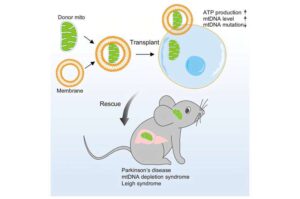
Mitochondrial capsule transplantation therapy shows potential for major diseases
Chinese researchers have developed a novel and highly efficient mitochondrial capsule transplantation therapy.

Chinese researchers have developed a novel and highly efficient mitochondrial capsule transplantation therapy.
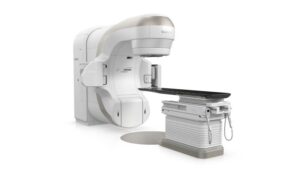
Growing evidence has demonstrated that low-dose radiation can target inflammation and reduce pain for osteoarthritis patients.
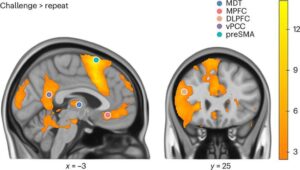
Powerful brain imaging has helped uncover why people with post-traumatic stress disorder (PTSD) who engage in negative self-talk may be struggling with the first line of treatment. The discovery, published in Nature Mental Health, sheds new light as to why underlying brain mechanisms mean some therapies potentially work for some people and not others, and could guide the development of more targeted treatments for PTSD.
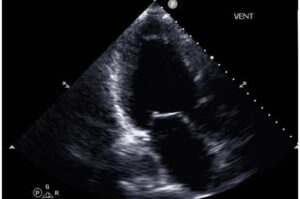
Applying artificial intelligence techniques to cardiac ultrasound data may make it easier to identify patients with advanced heart failure, a new study has found. The study—led by investigators at Weill Cornell Medicine, Cornell Tech, Cornell Ann S. Bowers College of Computing and Information Science, Columbia University Vagelos College of Physicians and Surgeons and NewYork-Presbyterian—offers the prospect of better care for many thousands of patients who may be overlooked due to the difficulty of diagnosing their condition.
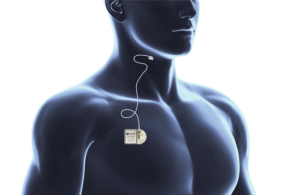
LivaNova (Nasdaq: LIVN)+ announced today that it received FDA premarket approval (PMA) for its aura6000 neuromodulation system for sleep apnea.
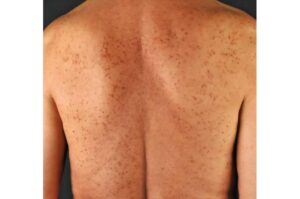
There is a promising new drug for the rare disease mastocytosis, which is associated with skin lesions, among other things. Researchers at the University of Basel have now been able to use artificial intelligence to quantitatively measure for the first time the extent to which it reduces skin lesions.
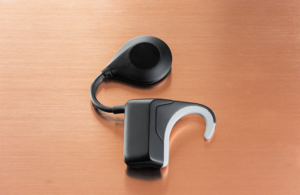
Nia Therapeutics announced today that it received FDA breakthrough device designation for its Smart Neurostimulation System (SNS).
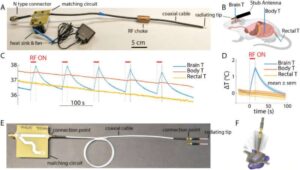
A study has found that precise application of radio waves can change the activity of brain cells in ways that could counter neurological conditions.
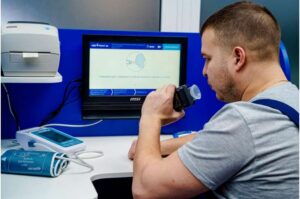
Now, research published in ACS Central Science could help health care professionals non-invasively diagnose bacterial infections, using breath-based tests.
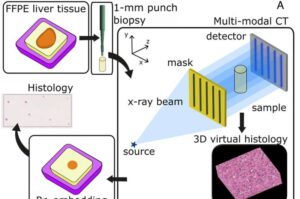
A new X-ray imaging technique could transform how hospitals analyze tissue samples, potentially speeding up diagnoses and improving outcomes for patients, shows a new study led by UCL researchers. The technology, developed in collaboration with the Memorial Sloan Kettering Cancer Center, Rigaku Americas and Creatv MicroTech, Inc., produces crisp 3D maps of biological tissue without cutting or staining samples, a significant improvement on the conventional process used in histopathology—the process of examining tissue to study, diagnose and treat diseases, particularly cancer.