AI diagnoses brain tumors in minutes instead of weeks
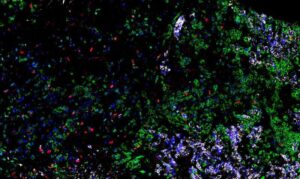
Experts in Heidelberg, Germany, have developed an AI system that can classify brain tumors with unprecedented accuracy using standard microscopic tissue sections.

Experts in Heidelberg, Germany, have developed an AI system that can classify brain tumors with unprecedented accuracy using standard microscopic tissue sections.

The research group led by Peng Wu at the Max Planck Institute of Molecular Physiology has now developed a new type of “molecular eraser” targeting the mRNA of the cancer protein NRAS.

Researchers at the Nuffield Department of Medicine, University of Oxford, together with Newcastle University’s Translational and Clinical Research Institute and the Department of Immunology at Cambridge University Hospitals NHS Foundation Trust, have identified an important driver of inflammatory bowel disease (IBD).

A new study in Nature by a team led by Doudna has uncovered a powerful new approach to selectively kill cancer cells using a CRISPR enzyme called Cas12a2.

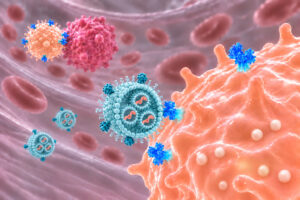
Learn more about Lassa virus, which continues to ravage parts of West Africa, and how combining a vaccine against it with rabies protection could address two major health concerns at once.

MIT researchers have designed an ultrasound system that creates a real-time 3D representation of the object being imaged.

Three commercially available radiology AI systems have shown the potential to flag early signs of breast cancer up to six years before a diagnosis, according to a study published in Radiology.

A lightweight wearable device developed by UNSW engineers could one day help people monitor their heart and breathing health from home, potentially reducing hospital visits and allowing doctors to detect problems earlier.

Yale researchers have developed a new kind of brain-computer interface (BCI) that lets humans play video games directly with their brains.

Penn Engineers have developed an open-source algorithm that combines the speed of AI with the precision of geometry to compare complex medical images quickly and accurately, helping detect subtle changes that, over time, can signal disease. In some cases, the new algorithm can accomplish in minutes what would have taken prior techniques an entire week.