Study reveals “two-factor authentication” system that controls microRNA destruction
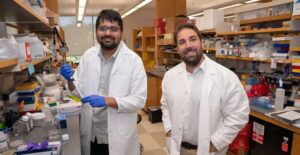
Researchers uncovered how cells selectively destroy certain microRNAs — key gene regulators — through a mechanism that requires two RNA signals working together.

Researchers uncovered how cells selectively destroy certain microRNAs — key gene regulators — through a mechanism that requires two RNA signals working together.

A new blood test combined with a standardized questionnaire and artificial intelligence may transform the way leprosy is diagnosed in Brazil.

People whose sleep apnea changes dramatically from night to night are 30% more likely to have a heart attack, stroke, or heart failure, reveals a new study from Flinders University.

The Advanced Research Projects Agency for Health (ARPA-H) said several experimental treatments could help regrow cartilage and bone in folks with osteoarthritis.

An advanced version of a procedure using magnetic fields to stimulate brain nerve cells in treating depression was significantly effective for 85% of active military and veterans suffering from combat post-traumatic stress disorder enrolled in a recent study, when added to psychotherapy.

Researchers at NYU Abu Dhabi have developed smart molecules that can both detect and treat cancer, offering a safer and more precise approach to care.

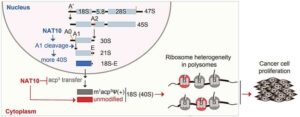
A cancer drug target already being investigated in clinical trials turns out to be doing something even more consequential than researchers realized.

A virus that typically infects marine animals, such as shrimp and fish, has jumped to humans and is causing chronic eye disease in some people, according to a study published in the journal Nature Microbiology.

UCLA scientists have developed a simple and cost-effective blood test that, in early studies, shows promise in detecting multiple cancers, various liver conditions and organ abnormalities simultaneously by analyzing DNA fragments circulating in the bloodstream.

What if chronic diseases, which are difficult to treat with medicine alone, could be managed with electricity? As “neuromodulation”—a technology that restores bodily balance by sending signals directly to nerves—gains attention, a Korean research team has brought this possibility one step closer to reality.