
Antibody halts triple-negative breast cancer in preclinical models
Triple-negative breast cancer (TNBC) is one of the most aggressive and treatment-resistant forms of breast cancer.

Triple-negative breast cancer (TNBC) is one of the most aggressive and treatment-resistant forms of breast cancer.

Researchers at MIT developed a non-invasive method for measuring blood glucose levels, potentially offering an alternative to fingersticks.

MED-EL’s cochlear implants are now FDA-approved in children seven months and older with bilateral sensorineural hearing loss (SNHL).

Today, NeuroVice announced that PATI is now commercially available, marking a breakthrough moment for millions of patients living with focal and grand-mal seizures.
Preliminary studies find derivatives of the compound, known as verticillin A, can kill some types of glioma cells.
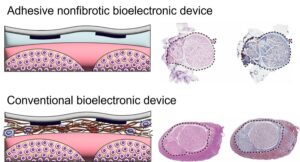
Inspired by traditional acupuncture, the approach has potential to impact all implantable bioelectronic devices, enabling applications such as hypertension mitigation.
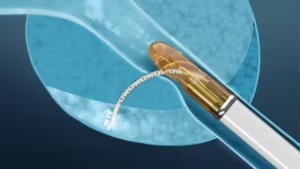
The Vanquish device’s clinical data demonstrated an elimination of MRI visible intermediate risk disease in 91% of patients after a single procedure.
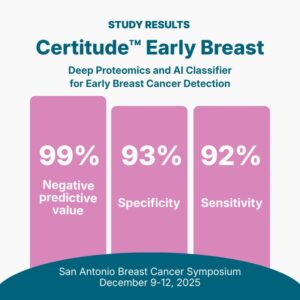
ST. PAUL, Minn., Dec. 3, 2025 /PRNewswire/ — Astrin Biosciences, a cancer intelligence company transforming how cancer is detected and treated through deep proteomics and AI, announced the launch of Certitude™, the first-of-its-kind, non-imaging, blood-based early cancer detection test. Results from the latest study will be presented at the upcoming San Antonio Breast Cancer Symposium (SABCS), taking place December 10–14, 2025.
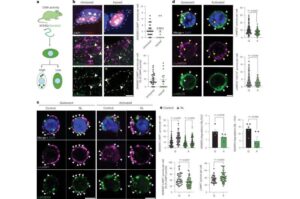
Two related studies published today in Nature Metabolism show that a specialized intracellular recycling mechanism—chaperone-mediated autophagy (CMA)—is essential for muscle health.
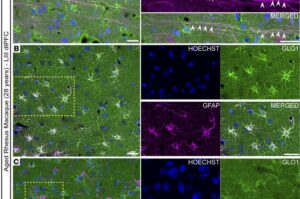
High levels of calcium are toxic to cells and contribute to loss of neurons in Alzheimer’s disease. A new study published in JCI Insight identifies a mechanism through which the young brain protects itself against high calcium levels, and it could help scientists learn how to protect the brain from this devastating neurodegenerative condition.