T-cell research reveals paths to better vaccines for COVID-19 and beyond
Two people infected with the same strain of COVID-19 can have vastly different experiences. One might never even sniffle, and the other might end up on a ventilator. But why?

Two people infected with the same strain of COVID-19 can have vastly different experiences. One might never even sniffle, and the other might end up on a ventilator. But why?
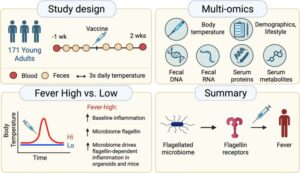
Vaccination is one of the most important tools for preventing infectious diseases and protecting public health. However, immune responses after vaccination vary dramatically from person to person: If you give many people the exact same vaccine, some will experience side effects such as fever and flulike symptoms while others feel fine.

A team of hearing specialists at Vanderbilt Health analyzed thousands of data samples in the institution’s BioVU biobank to understand genetic susceptibility of sensorineural hearing loss, which is caused by damage to the inner ear. Their study is published in JAMA Otolaryngology-Head & Neck Surgery.
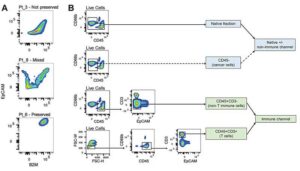
In a study published in Science Immunology, researchers used malignant ascites—fluid that accumulates in the abdomen of some patients when cancer metastasizes to the abdominal cavity—to uncover immune programs associated with metastatic disease, including a rare population of RORC-expressing dendritic cells not previously linked to human cancer.

Older people could be monitored safely in their own homes without the need for intrusive cameras or wearable devices thanks to new research by Nottingham Trent University (NTU).
Scientists at The Wistar Institute have identified a combination treatment that overcomes two of the biggest barriers to immunotherapy in glioblastoma.
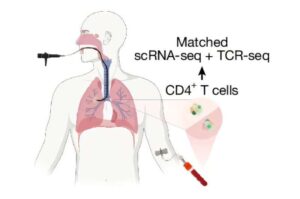
A ‘rising fog’ may cloud the immune system’s ability to detect tumors and may be the key to tackling lung cancer that is developing years before diagnosis. The team at University College London (UCL) followed this signal using prototype blood tests and reversed it using drugs.
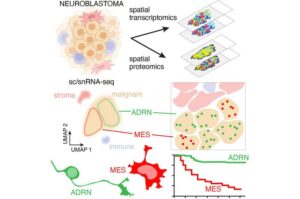
Neuroblastoma is the most common solid tumor found outside the brain in children, yet why some children respond well to treatment while others do not has remained poorly understood.
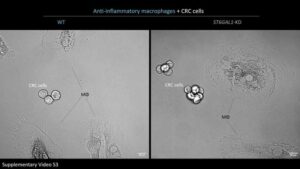
Our bodies contain immune cells called macrophages. Normally, these cells attack and suppress bacteria and cancer cells. However, when macrophages infiltrate tumors, they can become tumor-associated macrophages (TAMs) and can switch to an immunosuppressive, anti-inflammatory state.

Their new study, published Oct. 7 in Nature, solves a decades-old scientific puzzle and reveals that a critical inflammatory signaling pathway doesn’t just summon immune cells to the place where they’re needed—it also protects healthy cells from being damaged by the immune response.