
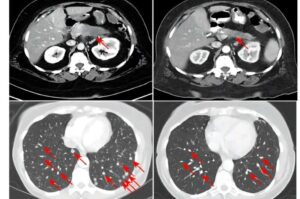
Supplement plus chemotherapy boosts pancreatic cancer survival
When added to standard chemotherapy, a clinical version of the dietary supplement L-glutamine improved survival in an early-phase trial of patients with advanced pancreatic cancer. The study, led by Cedars-Sinai Health Sciences University investigators, was published in Nature Cancer.
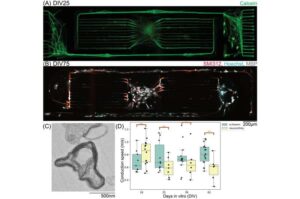
Lab-grown nerves match human sensory signal speeds, enabling tests of myelin repair
Rice University and collaborators in Switzerland have developed a platform to grow human-derived nerve cells and Schwann cells, supporting cells that form a protective coating called myelin around nerve fibers.

Hidden immune cells in the lung could lead to better flu vaccines
Most current flu vaccines—especially those given by injection—do not reliably build strong immune memory in the airways, leaving a gap in protection against initial infection and transmission.
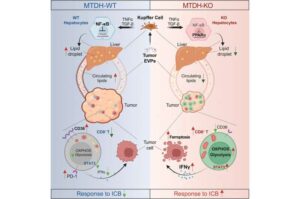
Cancer’s malignant remote control: How tumors reprogram liver fat metabolism to disarm immune cells
In their quest to understand how cancers take root, grow and spread, scientists have for the past half-century explored the genetic aberrations and microenvironmental peculiarities of tumors and their constituent cells.
A ‘one-two punch’ against aggressive breast cancer could offer an alternative to chemotherapy
Triple-negative breast cancer (TNBC) has a frustrating ability to adapt. Although this aggressive form of breast cancer can initially respond well to chemotherapy, cancer cells often find ways to survive, allowing the disease to return and become resistant to treatment.
Stress proteins actively sustain joint inflammation in osteoarthritis, study finds
Why do some joints remain chronically inflamed in osteoarthritis and other rheumatic diseases?
RevMed receives early FDA approval for ‘groundbreaking’ pancreatic cancer drug
The FDA granted the approval of Revolution Medicines’ daraxonrasib, now to be known as Rasonque, in pancreatic adenocarcinoma 6.5 months ahead of deadline.

Cell therapy substantially reduces severe rheumatoid arthritis in first clinical trial
Immunotherapies such as CAR T-cell therapy are used primarily to treat cancer. In the future, these patient-specific therapies, manufactured from patients’ own immune cells, could also help cure autoimmune diseases.