
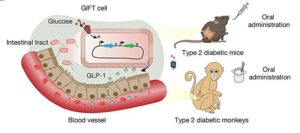
Smart probiotics can sense high blood sugar and release GLP-1 on demand
For people living with diabetes, managing blood sugar can mean constantly watching the clock, keeping meals and medications on schedule and staying alert to changes in glucose levels. While little can be done about timed meals, researchers have developed a biological system that detects rising blood sugar levels and automatically responds by releasing medication to bring glucose back down.
Previously missed DNA mutation pattern in colorectal cancer identified
Researchers from the University of California San Diego and collaborators have identified a previously overlooked pattern of DNA mutations in colorectal cancer. Scientists use these patterns, known as mutational signatures, to investigate the biological and environmental processes that have damaged DNA during cancer development.
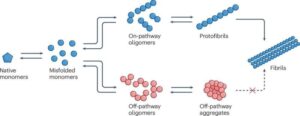
Tiny protein oligomers may unlock earlier diagnosis for Alzheimer’s and related diseases
For more than three decades, scientists have sought to combat diseases caused by protein misfolding by targeting the large protein clumps that accumulate in affected tissues. Yet, despite intensive efforts, clinical success has been limited.
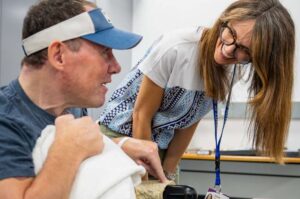
Deep brain stimulation shows potential to improve communication after traumatic brain injury
Deep brain stimulation, or DBS, may help improve speech and swallowing problems caused by traumatic brain injury (TBI), according to a new University of Pittsburgh School of Medicine study published in Nature Communications.

New imaging technique reveals bone building at a microscopic level
Biomedical scientists have developed a new nanoscale imaging technique that allows researchers to directly see how bone-forming cells use nutrients and build bone inside the body.
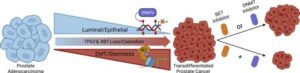
New drug combination may help treat advanced prostate cancer
About 1 in 8 men are diagnosed with prostate cancer during their lifetime. Although many survive, it can develop into metastatic disease.
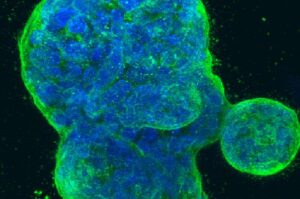
Scientists identify molecule driving one of the deadliest forms of breast cancer
Australian researchers have uncovered a promising new way to tackle one of the most aggressive forms of breast cancer, raising hopes for more effective treatments to stop the disease from spreading.
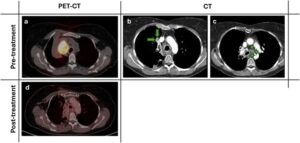
Lung cancer patient becomes tumor-free after treatment with selenite
A patient with advanced, treatment-resistant lung cancer became tumor-free after treatment with the selenium compound selenite. This is shown in a new study from Karolinska University Hospital and Karolinska Institutet published in the journal Oncology and Therapy as a case report. The findings may contribute to increased knowledge about selenite as a possible cancer treatment.