
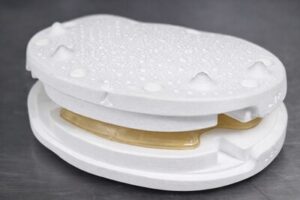
Nivalon Medical Produces the World’s First Fully Patient-Specific, Motion-Preserving, Metal-Free Spinal Implant Using AI and Advanced Ceramic 3D Printing
YOUNGSTOWN, Ohio, Jan. 29, 2026 /PRNewswire/ — Nivalon Medical Technologies Inc. has successfully produced the world’s first fully patient-specific, motion-preserving spinal implant built entirely without metal, using AI-driven design and advanced ceramic 3D printing.
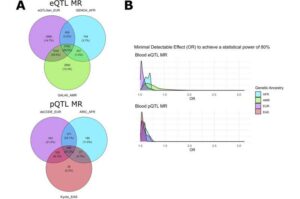
Big data make hidden genetic drivers of type 2 diabetes visible
Numerous genetic studies have identified many risk variants for type 2 diabetes (T2D)—but which genes and proteins are actually involved in the disease mechanisms?

Rethinking ultrasound gel: A natural solid pad for clearer, more comfortable imaging
Ultrasonography is a noninvasive imaging technique used for real-time imaging. This versatile technique is used as a reliable diagnostic tool in various modalities.
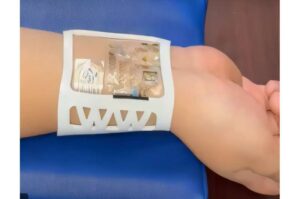
Bioelectronic wristband offers continuous, objective, real-time stress monitoring
Researchers at the University of California, Irvine have developed a multimodal, bioelectronic wrist-worn device for objective, continuous, real-time monitoring of stress.
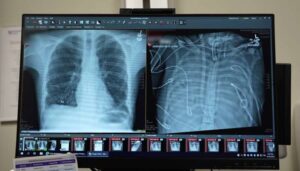
Artificial lung system keeps patient alive without lungs until transplant
Humans can’t live without lungs, but Ankit Bharat’s patient did for 48 hours.

Early signs of Parkinson’s can be identified in the blood
A team led by researchers at Chalmers University of Technology, Sweden, has succeeded in identifying biomarkers for Parkinson’s disease in its earliest stages, before extensive brain damage has occurred. The biological processes leave measurable traces in the blood, but only for a limited period.
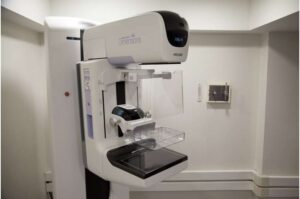
AI-supported mammography screening results in fewer aggressive and advanced breast cancers
Artificial intelligence (AI)-supported mammography identifies more cancers during screening and reduces the rate of breast cancer diagnosis by 12% in the years following, finds the first randomized controlled trial of its kind. The trial involved over 100,000 Swedish women, and its results are published in The Lancet.
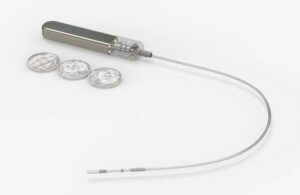
Glucotrack picks up new patents for continuous blood glucose monitor
Glucotrack (Nasdaq:GCTK) announced today that it received new U.S. patents for its continuous blood glucose monitoring (CBGM) platform.