

Priovant nabs first FDA approval for targeted tablet in dermatomyositis
Lisraya carries a boxed warning typical of JAK inhibitors, but otherwise has a broad label that allows use in all adults with the rare autoimmune disease, setting up the drug for blockbuster status in a few years, according to Leerink.

Lilly joins Novo in cardiovascular space after FDA nod for GLP-1/GIP agonist Mounjaro
With the approval, Eli Lilly’s Mounjaro becomes the first dual GIP/GLP-1 receptor agonist indicated to lower the risk of heart attack, stroke or cardiovascular death in adults with type 2 diabetes.
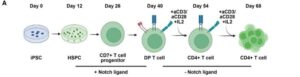
Researchers develop scalable method to generate key immune cells for cancer therapy
Researchers at the Center for Regenerative Medicine (CReM) at Boston Medical Center (BMC) and Boston University (BU) have developed a scalable method for generating CD4+ helper T cells from induced pluripotent stem cells (iPSCs), overcoming a longstanding challenge in the development of stem cell-based immunotherapies.
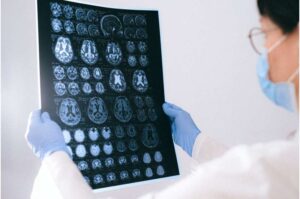
Unexpected discovery reveals mechanism behind brain tumor development
When researchers at Lund University investigated how UM171, a molecule used to make blood stem cells multiply, works, they made an unexpected connection. The results provide new insights into how one of the most common malignant brain tumors in children could be treated in the future. Their research is published in the journal Cancer Gene Therapy.

Special aspherical glasses slow down childhood myopia progression, two-year trial finds
The number of people who need prescription glasses to correct their vision is increasing each year as nearsightedness, or myopia, becomes more common worldwide. Current projections suggest cases could reach 50% by 2050, affecting nearly 5 billion people.
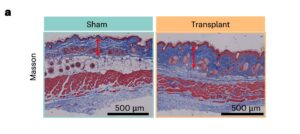
The anti-aging effects of exercise, without exercise: Self-contracting muscle implants give mice a boost
Exercise does more than keep our minds and bodies healthy. It also protects us against the effects of aging. Scientists have developed self-contracting mini-muscle implants that grow their own blood supply and mimic the biological benefits of exercise, giving people unable to work out because of physical limitations a way to reap the same rewards.
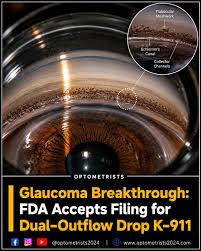
Kowa Pharmaceuticals America Announces FDA Acceptance of New Drug Application for K-911, an Investigational IOP-Lowering Eye Drop for Patients with Open-Angle Glaucoma or Ocular Hypertension
Investigational K-911 is a once-daily nitric oxide-donating bimatoprost eye drop designed to lower intraocular pressure
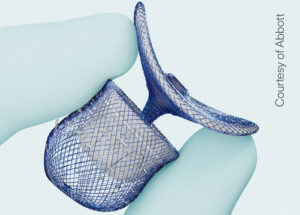
Abbott’s next-generation Amulet LAA occlusion device earns CE Mark
Abbott’s (NYSE: ABT) Amulet 360 left atrial appendage (LAA) occlusion device received CE mark, the company announced today.