
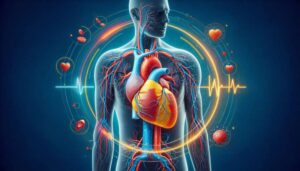
New mechanism reveals how heart cells resist regenerative reprogramming
Specialized cells in the human body make biological trade-offs to perform certain jobs. Because the adult human heart cannot repair itself the way skin does, scientists have studied ways to “reprogram” heart cells to regenerate after heart attacks.
Scientists develop microRNA-based gene therapy that halts ALS progression in mice
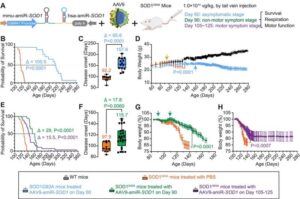
A single IV injection of a microRNA-based biologic developed by Guangping Gao, Ph.D., Robert H. Brown Jr., DPhil, MD, Jun Xie, Ph.D., and Zuoshang Xu, MD, Ph.D., suppressed production of the mutant SOD1 protein that causes amyotrophic lateral sclerosis (ALS), delayed disease onset by 60 days and extended lifespan by 100 days—more than tripling the average survival time—in mouse models of the disease.
CorVista wins FDA clearance for AI heart failure assessment add-on
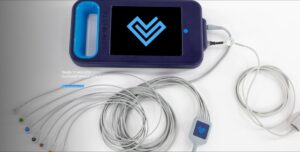
CorVista’s AI-based pulmonary capillary wedge pressure add-on test represents the third FDA clearance for its cardiopulmonary platform.
Saber-C AVIA is a zero-profile construct providing biomechanical stability similar to that of traditional plate systems.
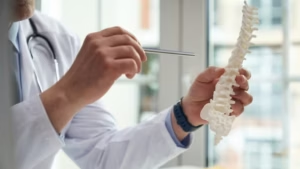
Saber-C AVIA is a zero-profile construct providing biomechanical stability similar to that of traditional plate systems.
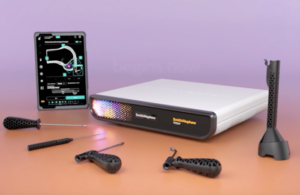
Smith+Nephew gets FDA nod for TESSA spatial surgery platform
Smith+Nephew (NYSE:SNN) announced today that the FDA granted de novo clearance for its TESSA spatial surgery system.
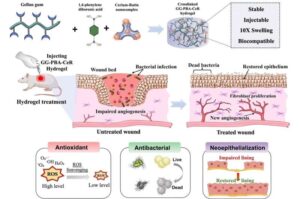
Novel hydrogel offers a smarter approach to wound healing
Deep wounds are vulnerable to bacterial infection and the accumulation of harmful molecules called reactive oxygen species (ROS), which damage cells and disrupt normal repair mechanisms.
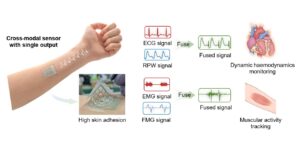
Single patch merges multiple physiological signals for simpler health monitoring
Wearable health monitors have grown increasingly capable, but most are still limited by the fact that tracking different types of body signals requires separate sensors, each with its own circuitry and patch of skin. That leads to bulkier devices, higher power consumption and greater discomfort for anyone who needs round-the-clock monitoring.
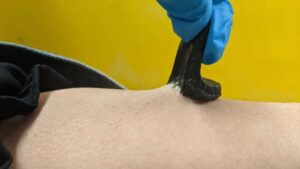
Soft, sticky, stretchable biosensors can pick up signals through hair, sweat, bending and stretching
Biosensors have revolutionized home health care over the past two decades. Devices like wearable heart rate and blood glucose monitors are giving people with chronic health conditions the information and assurance they need to maintain an active lifestyle. But even the best sensors are limited by their ability to sustain skin contact through the rigors of physical activity.