
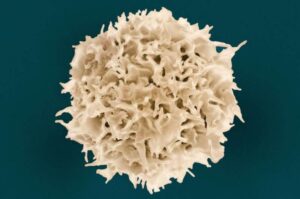
Scientists decipher how T cells sense enemies—such as cancer—at point of contact
Every encounter between a T cell and a potential target—especially when that target is a developing tumor—begins with a rapid series of molecular decisions. Within seconds, the immune cell must determine whether to launch an attack or stand down. T cells are so potent, so potentially devastating, that misreading the situation can cause serious tissue injury.

Natural Cycles Receives Sixth FDA Clearance for Next-Generation Fertility Algorithm
New AI-powered algorithm delivers more personalized birth control by adapting to individual cycle patterns while maintaining established effectiveness rates

NTU Singapore-led Study Identifies New Mechanism Behind Cancer Resistance to PARP Inhibitors
The international research team found that resistant cancer cells can hijack a specific DNA repair defence mechanism to protect themselves from the effects of PARP inhibitors

Masimo gets FDA clearance for pediatric patient state index platform
Danaher’s (NYSE:DHR) Masimo unit announced today that it received FDA 510(k) clearance for its Patient State Index (PSi) for pediatric patients.

AI analyzes surgical technique to improve prostate cancer care
The movements of a surgeon in a procedure—called “surgical gestures”—can be used to predict patient recovery, according to Cedars-Sinai investigators. Their findings, published in npj Digital Medicine, suggest this technology could help surgeons refine their techniques and improve patient outcomes.
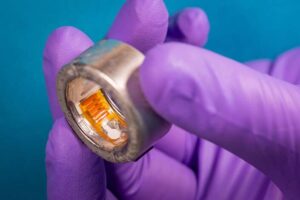
New wearable ring tracks glucose, ketone and other biomarkers in sweat simultaneously
Engineers at the University of California San Diego created a smart ring that simultaneously and continuously monitors up to four different chemical biomarkers from finger sweat. The biomarkers the smart ring can monitor in sweat are glucose, ketones, vitamin C, uric acid, lactate and alcohol.
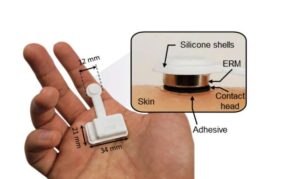
Wireless skin sensor could continuously track soft tissue disorders from home
Northwestern scientists have developed a novel wireless sensor device that can continuously monitor skin elasticity in patients with soft tissue disorders, including lymphedema and scleroderma, which can support early disease detection and better inform care strategies, as detailed in a study published in Science Advances.
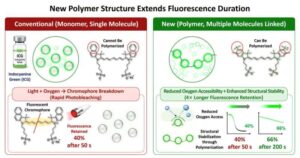
Scientists develop more photostable near-infrared fluorescent dye for longer surgical imaging
Researchers in Korea have developed a new near-infrared (NIR) fluorescent dye with significantly improved photostability, overcoming the rapid signal fading that has long limited fluorescence imaging during surgery for cancer, lymph node mapping and other medical procedures.