
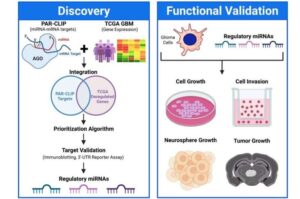
Brain-penetrating nanoparticles, ultrasound and microbubbles show promise in treating glioblastoma
University of Virginia Comprehensive Cancer Center scientists have developed a promising new experimental approach to targeting glioblastoma, the most common and deadliest brain cancer.

Breathalyzer can ‘sniff out’ when your body starts burning fat
Researchers have developed a breath detector with a chemical sensor that sniffs out when your body is burning fat through a single exhale. Reporting in Device, the handheld, smartphone-assisted device measures acetone—a molecule that is released into the breath when the body burns fat—in about 90 seconds with laboratory-level accuracy.
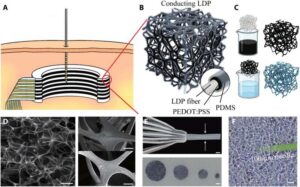
Soft outlet placed beneath the skin could help recharge implanted devices
Implanted medical devices are instruments placed surgically in the body. Many are battery-powered or can be wirelessly recharged. While they can be lifesavers, they are not without problems. They can run out of battery power, and wireless methods for transferring power and data have technical limitations.

From Near-Catatonic to Dancing: Advanced Alzheimer’s Patient Experiences Remarkable Functional Turnaround with young Fresh Frozen Plasma (yFFP)
Clinical case study challenges established paradigms on permanent cognitive and motor decline in age-related degenerative diseases.
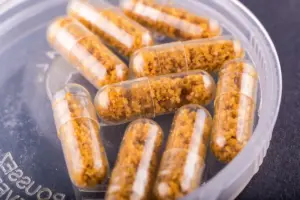
Microbes From Healthy Donor Stool May Help Treat Chronic Insomnia
Capsules containing donor stool microbes improved sleep efficiency and reduced nighttime wakefulness in adults with chronic insomnia.

Two Children With a Rare Epilepsy Mutation Show Improvement After Personalized Genetic Treatment
Personalized genetic therapy helped researchers treat two children with a rare form of epilepsy, enabling one to walk independently for the first time.

Prion Diseases May Begin When Proteins Misfold, Triggering Rapid Brain Damage
Prions can turn the body’s own proteins into a threat, and studying this group of diseases could help us better understand dementia.

FDA selects Dexcom for new digital health device pilot
The FDA announced today that it selected Dexcom (Nasdaq:DXCM) as the first manufacturer for a new digital health pilot.