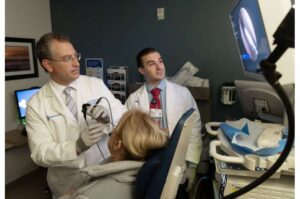
Nasal swab test spots early Alzheimer’s signals
Duke Health researchers show that a quick, outpatient nasal swab can pick up early biological changes linked to Alzheimer’s, even before thinking and memory problems appear.

Duke Health researchers show that a quick, outpatient nasal swab can pick up early biological changes linked to Alzheimer’s, even before thinking and memory problems appear.
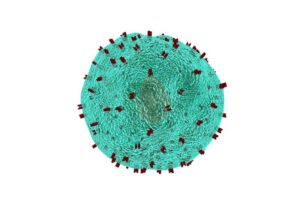
Now, scientists at UC San Francisco have developed a method to precisely reprogram these cancer-fighting cells directly inside the body, potentially eliminating the manufacturing process, cost, and waiting time that has kept this life-saving therapy out of reach for many patients around the world.
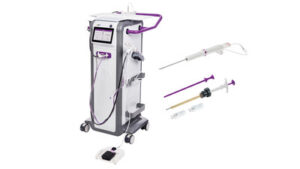
CINCINNATI, March 18, 2026 /PRNewswire/ — Mammotome, a Danaher company, announces FDA Clearance of two innovations for MR-guided breast biopsy: the Mammotome Prima™ MR Dual Vacuum-Assisted Breast Biopsy System – the industry’s first solution designed to be positioned in the MRI scanner room at the patient’s side – and the HydroMARK™ Plus Breast Biopsy Site Marker for MR, engineered for exclusive use with the Mammotome Prima™ system universal targeting set. Following a successful debut of the Mammotome Prima™ MR system in Europe, both products will be introduced to U.S. clinicians at the 2026 Society of Breast Imaging (SBI) Symposium. By bringing the device directly into the scanner room, the Mammotome Prima™ MR system enhances clinician coordination, streamlines communication, and helps maintain consistent focus on the patient throughout the procedure.
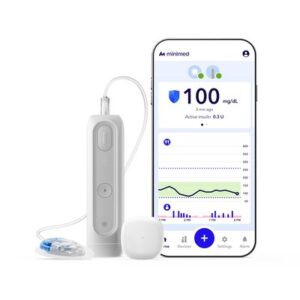
MiniMed Flex™ is about half the size of the previous generation MiniMed™ 780G system, and features the SmartGuard™ adaptive algorithm to automatically adjust and autocorrect insulin delivery in real-time
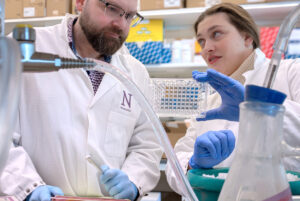
Study finds immune cells in glioblastoma use fructose to evade immune response, pointing to a new treatment target
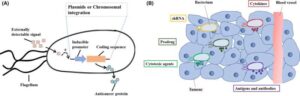
Every year, millions of people are diagnosed with cancer globally; however, current treatments are limited by disease complexity. A study published in the open-access journal in PLOS Biology by Tianyu Jiang at Shandong University, Qingdao, China and colleagues suggests that Escherichia coli Nissle 1917 (EcN) may be engineered with anticancer agents to treat cancerous tumors in mice.
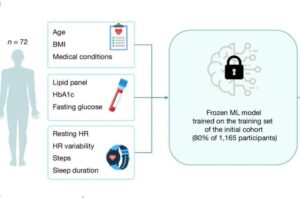
A new study, published in Nature, outlines a method combining smartwatches and routine blood tests to better detect insulin resistance in its early stages, and its early validation testing has shown good accuracy.
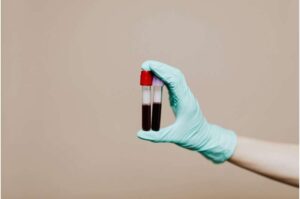
An innovative platform developed by PKU researchers called “cf-EpiTracing” has proved capable of detecting and tracing diseases from as little as 50 μl of human plasma, or roughly a drop of blood. The research, published in Nature on March 4, 2026, was led by Professor He Aibin from the College of Future Technology and Professor Jing Hongmei from the Department of Hematology, PKU Third Hospital.
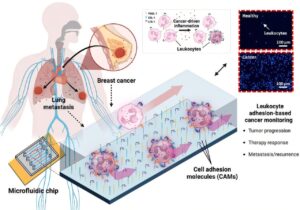
A new microfluidic technology that leverages immune cell behavior is set to transform cancer monitoring, thanks to researchers at UNIST. Led by Professor Joo Hun Kang in the Department of Biomedical Engineering at UNIST, the team has introduced a novel diagnostic chip that analyzes the adhesion properties of leukocytes, or white blood cells, to detect cancer recurrence and evaluate the effectiveness of chemotherapy.
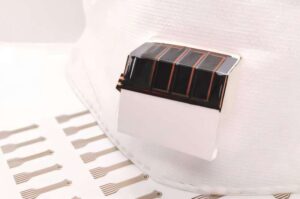
“The smart mask is a low-cost way of providing continuous health care monitoring.”